SARGASSUM RESEARCH : GUADELOUPE ARCHIPELAGO (FRANCE)
January-June 2022 // Personal work for my Master thesis
_______________________________________________________________________________________________________________________________________
Since 2011, unprecedented strandings of pelagic Sargassum have occured on the coasts of the West Indies, the Caribbean, Brazil and West Africa. Although the ecological, economic and health damages they cause are well-documented, little is known about the structure and ecological functioning of the pelagic Sargassum ecosystem. Between May 2020 and March 2022, three genotypes (S. fluitans III, S. natans I and VIII) were sampled at monthly intervals in Guadeloupe (Lesser Antilles, Caribbean Sea) aiming at assessing the role of this ecosystem in the production of nutritive ressources for the upper trophic levels and as a pathway in the trophic chain for some human health-threatening toxins. For that purpose, the species richness and biomass of three mobile epifaunal compartments associated with pelagic Sargassum (micro-meio-macrofauna) were quantified for the first time over a single period of time. This was the focus of my Master 2 thesis, under the supervision of Prof. Pierre-Yves Pascal and Ph.D student Océanne-Amaya Cipolloni.
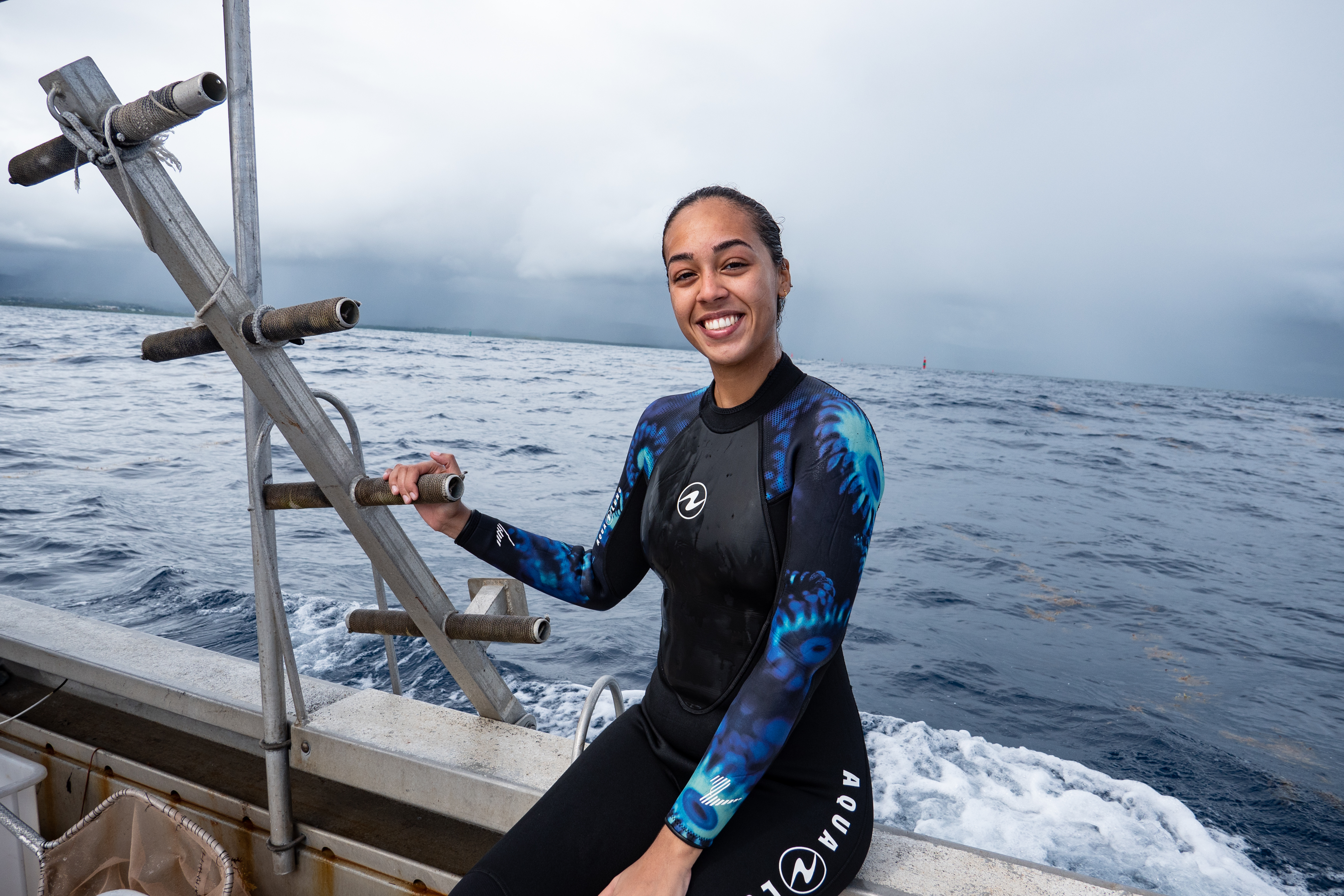
Below : Portrait of the Ph.D student Océanne-Amaya Cipolloni
SAMPLING AND STUDYING THE ASSOCIATED EPIFAUNA
Between May 2020 and March 2022, 14 triplicates of pelagic Sargassum were collected at monthly intervals in the Petit Cul-de-Sac Marin, Guadeloupe (map below). For the needs of the research on genotypes relative proportions in the Sargassum raft, algae were sampled with a landing net from the boat. Algal samples for the epifaunal studies were collected snorkelling on the edges of Sargassum patches, quickly, with less handling as possible and without algae exondation.

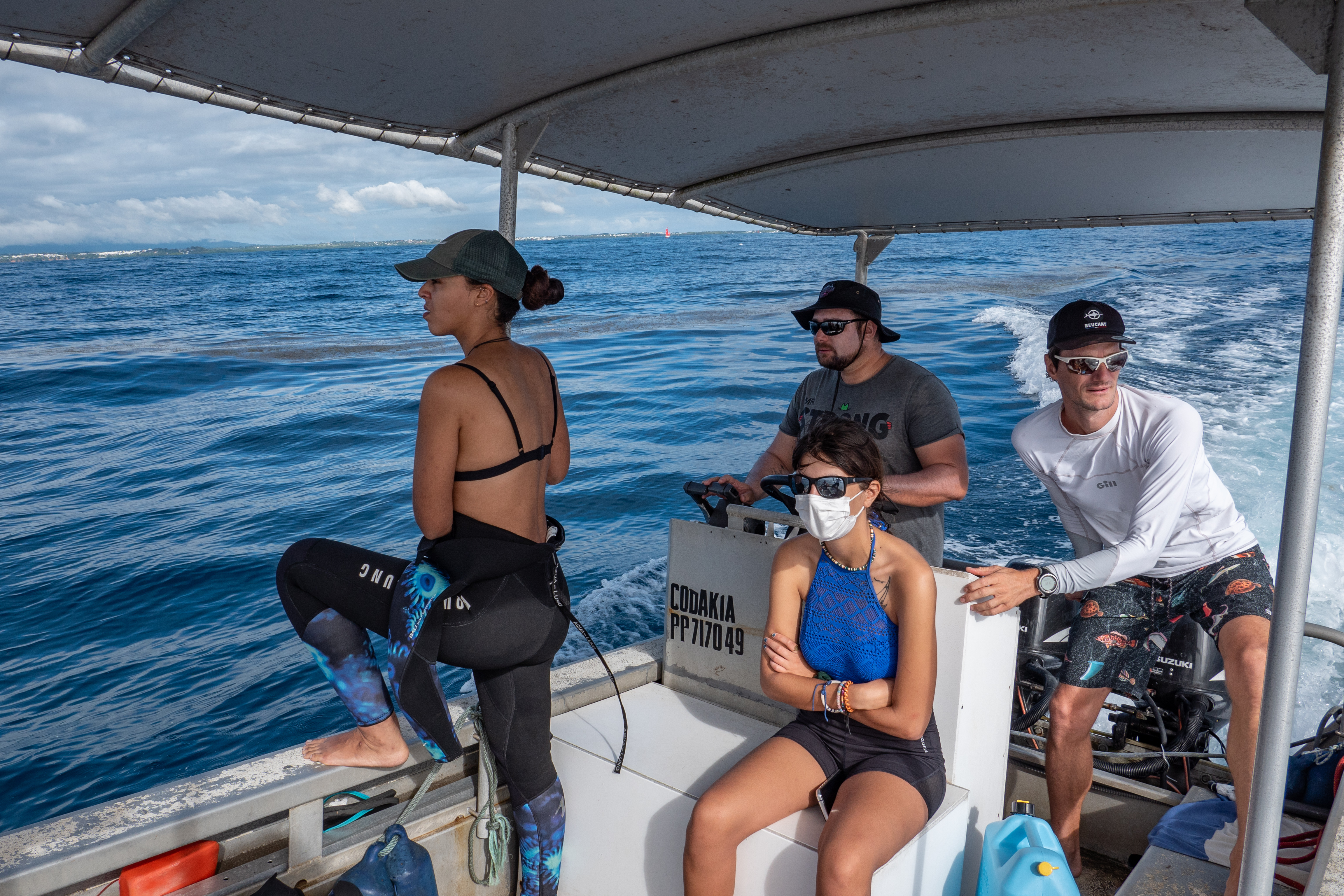
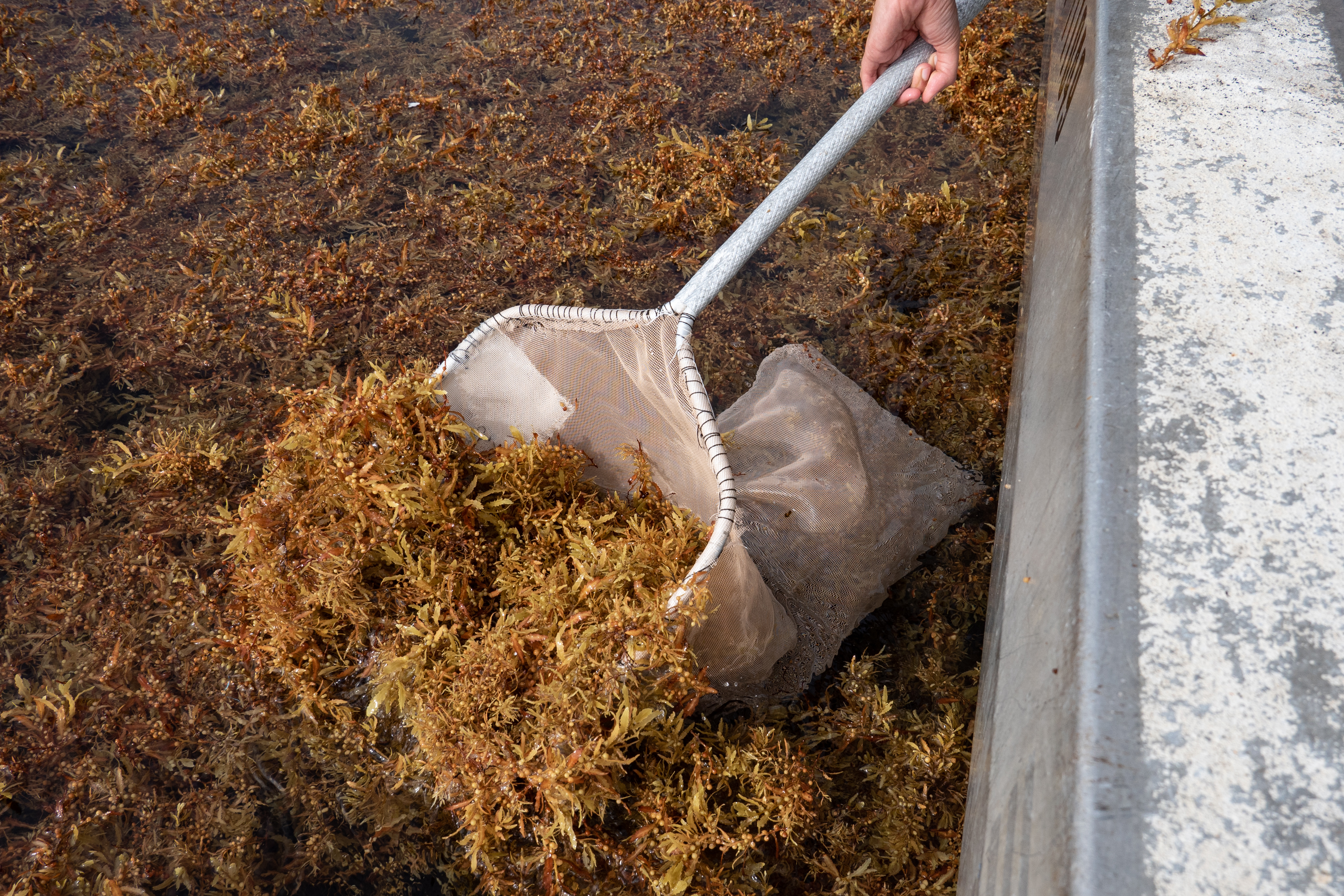
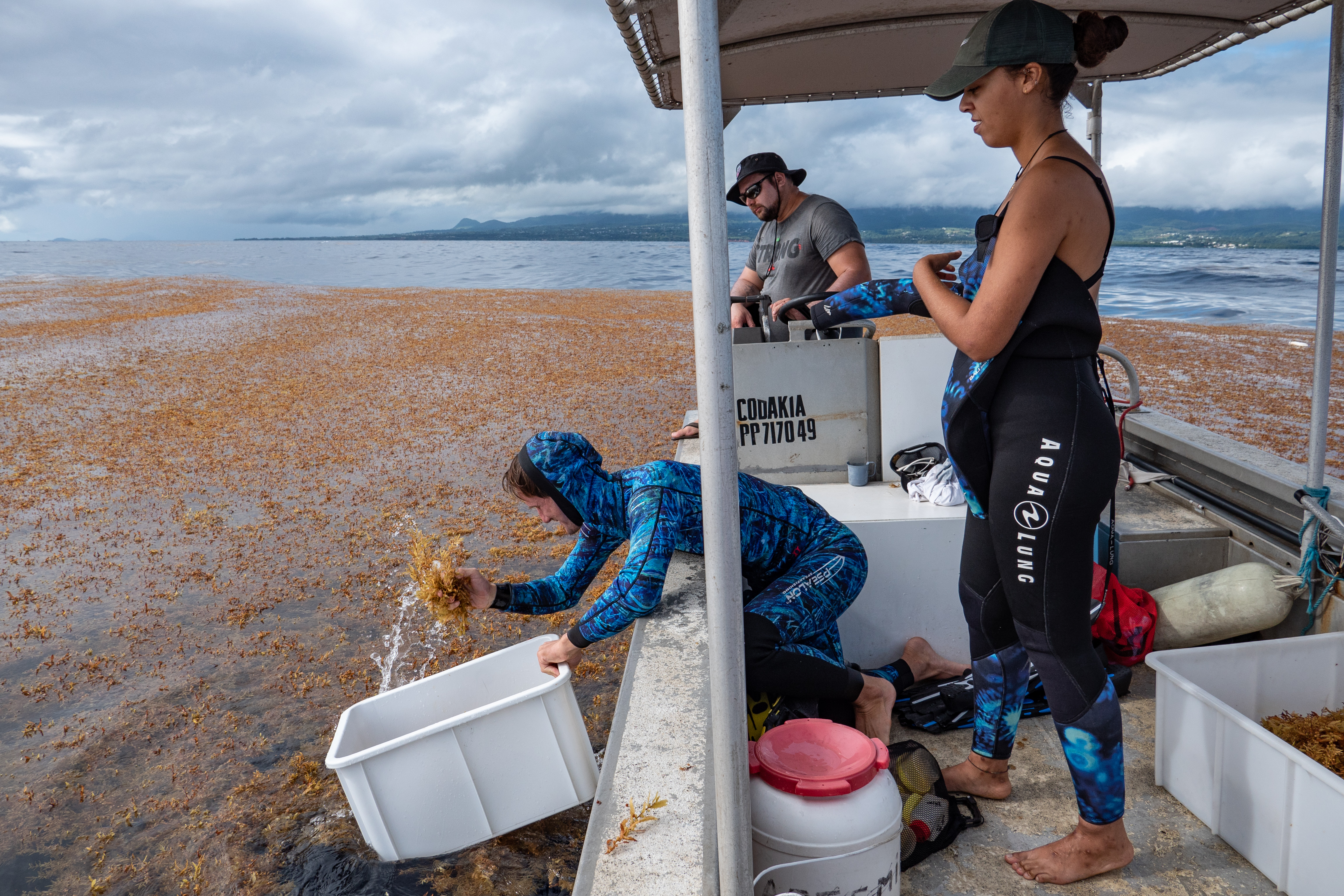
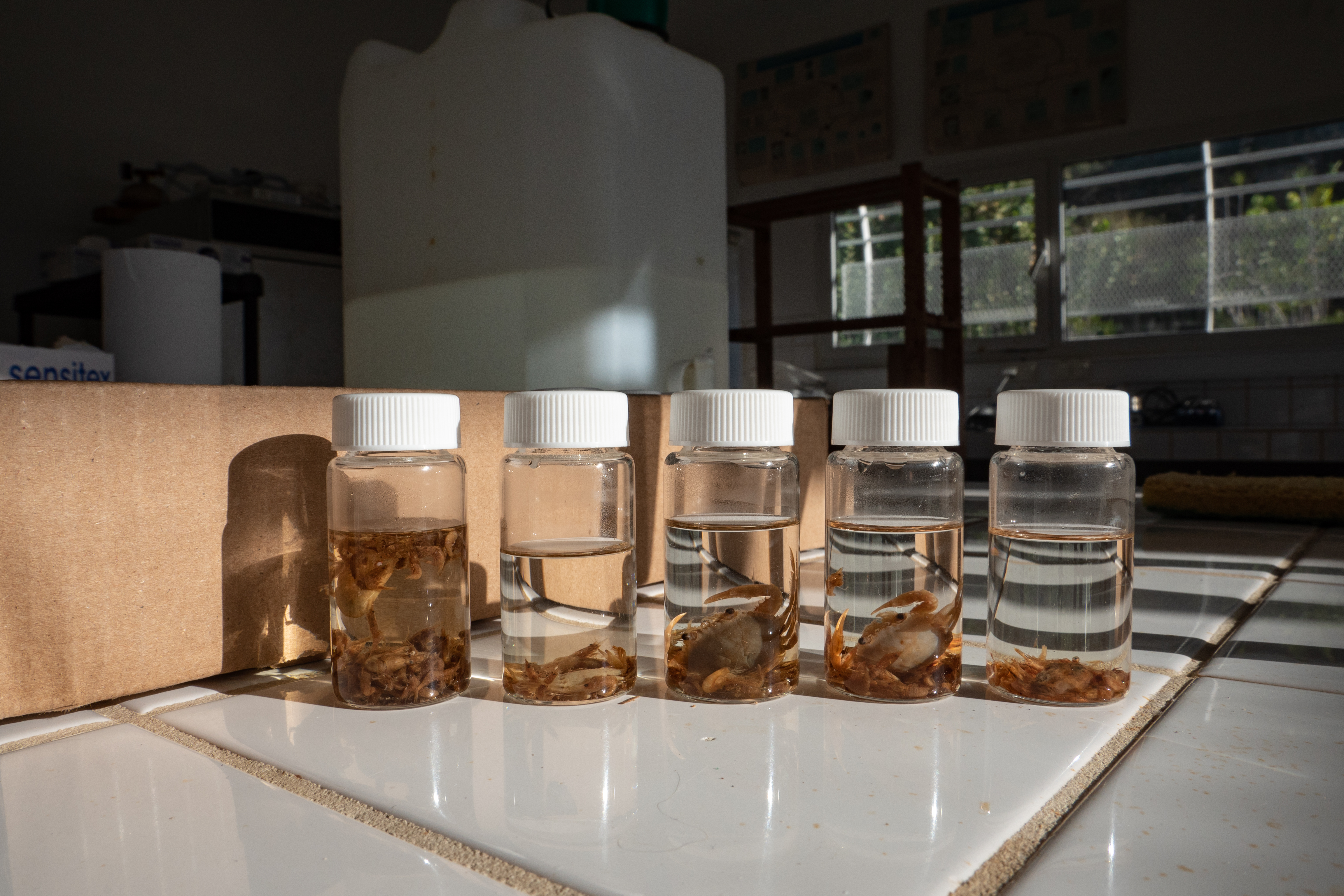
A total of 49,954 individuals of the associated mobile epifauna was observed, representing 46 taxa (species or group of related species) within the microfauna (545 individuals, 4 genera), meiofauna (44,352 individuals, 32 taxa) and macrofauna (5057 individuals, 10 species).


RESULTS
Relative proportions of pelagic Sargassum in the Caribbean:
Cyclic switch of dominance between S. natans VIII (August to December) and S. fluitans III (January to September). To our knowledge, such cyclicity has not yet been described.
Abundance of toxic dinoflagellates :
The observed seasonal variations could be due to changes in local physico-chemical conditions such as temperature and nutrient concentration.
Abundance of meiofauna :
Meiofauna is the most abundant and diverse faunal compartment. Homogeneity of the communities between S. fluitans III, S. natans I and S. natans VIII is certainly due to the meiofauna migration from one genotype to an other into the raft and to the opportunistic nature of the species colonising the Sargassum rafts.
Abundance of macrofauna:
This monitoring does not provide an exhaustive representation of the macrofaunal assemblage, but it does highlight the annual variability in the dominance of two species, the gastropod mollusc Litiopa melanostoma and the decapod crustacean Latreutes fucorum.
The peaks in abundance observed in June in both years would appear to be linked to the stage of growth of the macroalgae, since food resources are a structuring factor for meiofaunal communities.
BIODIVERSITY ATLASES
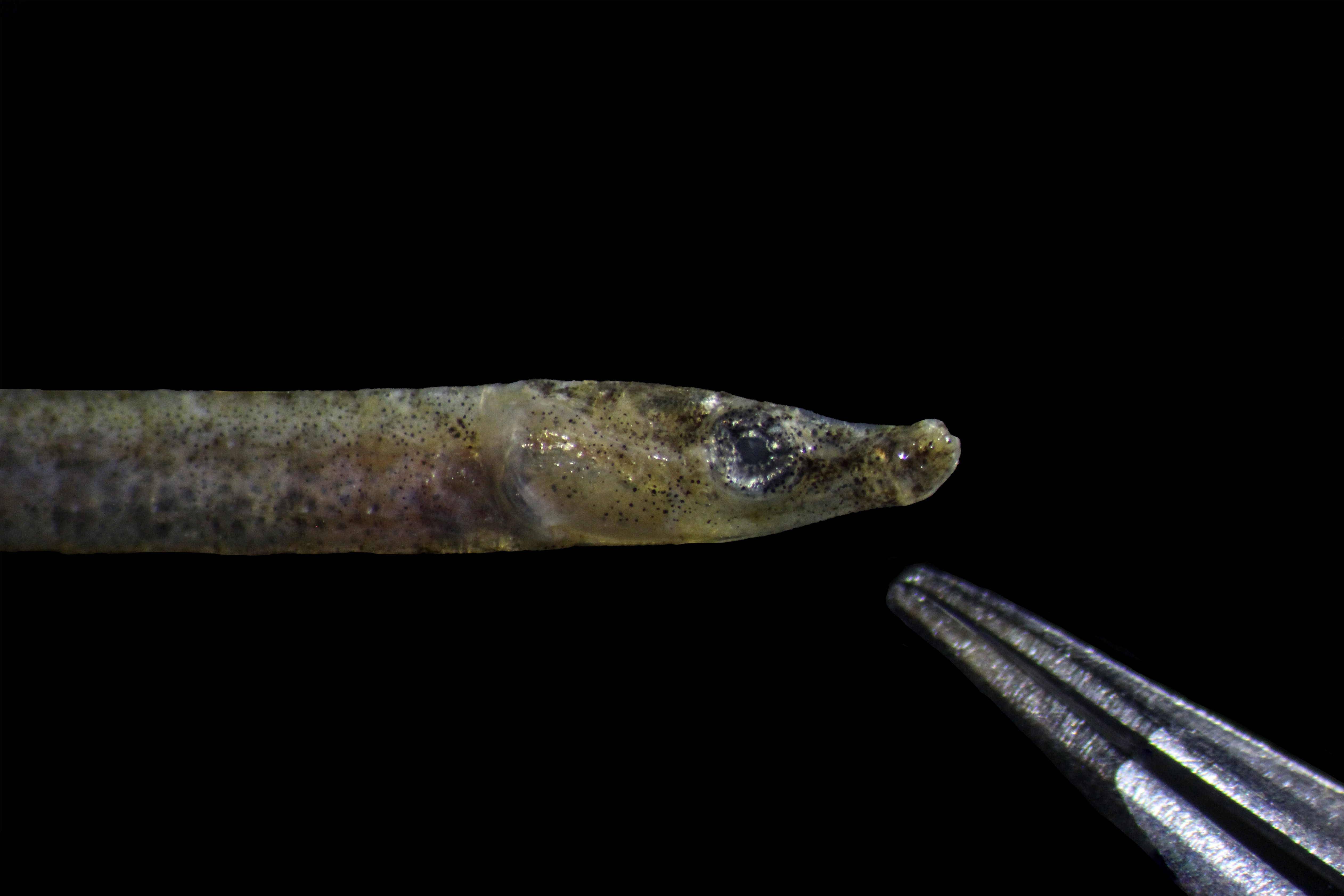
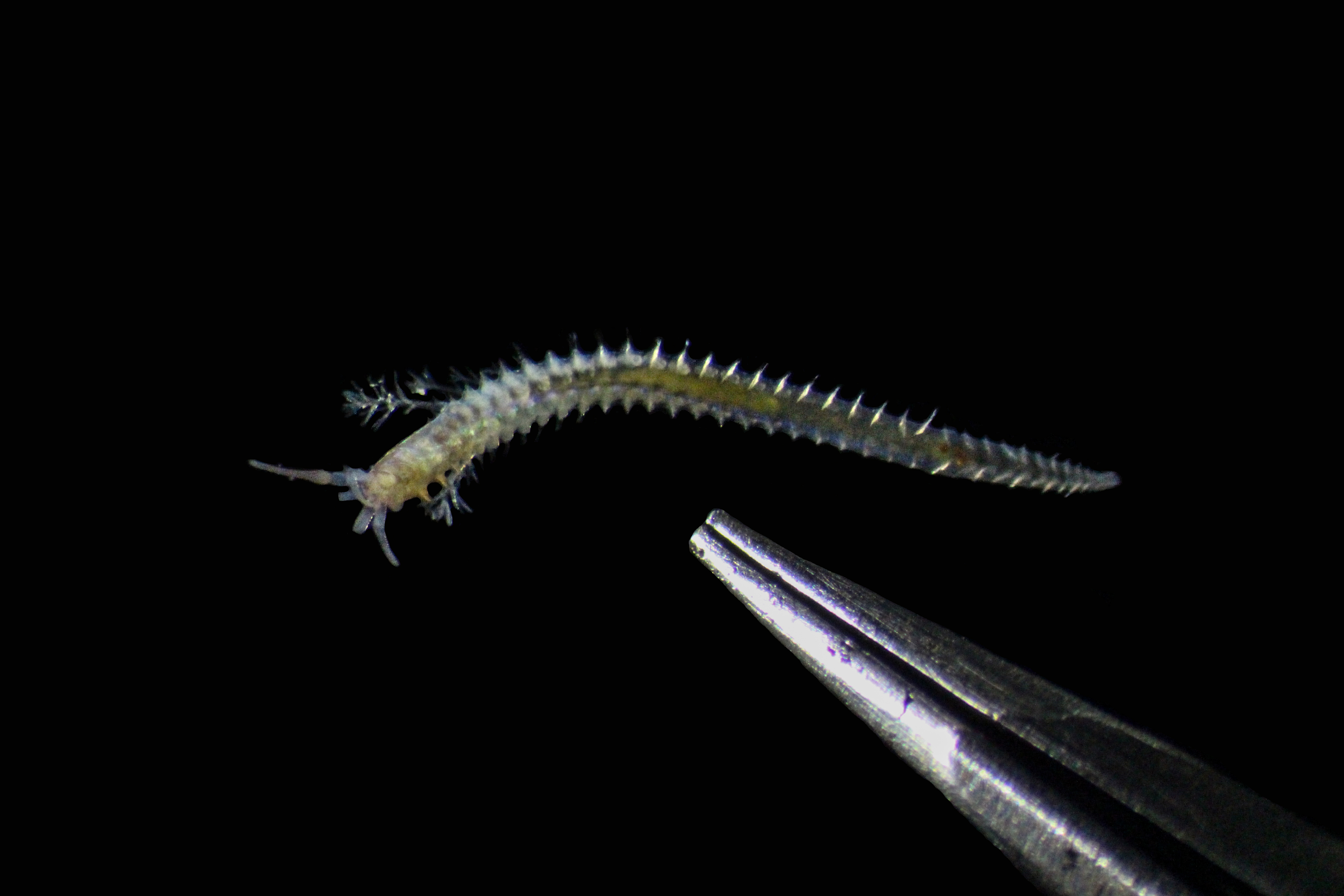
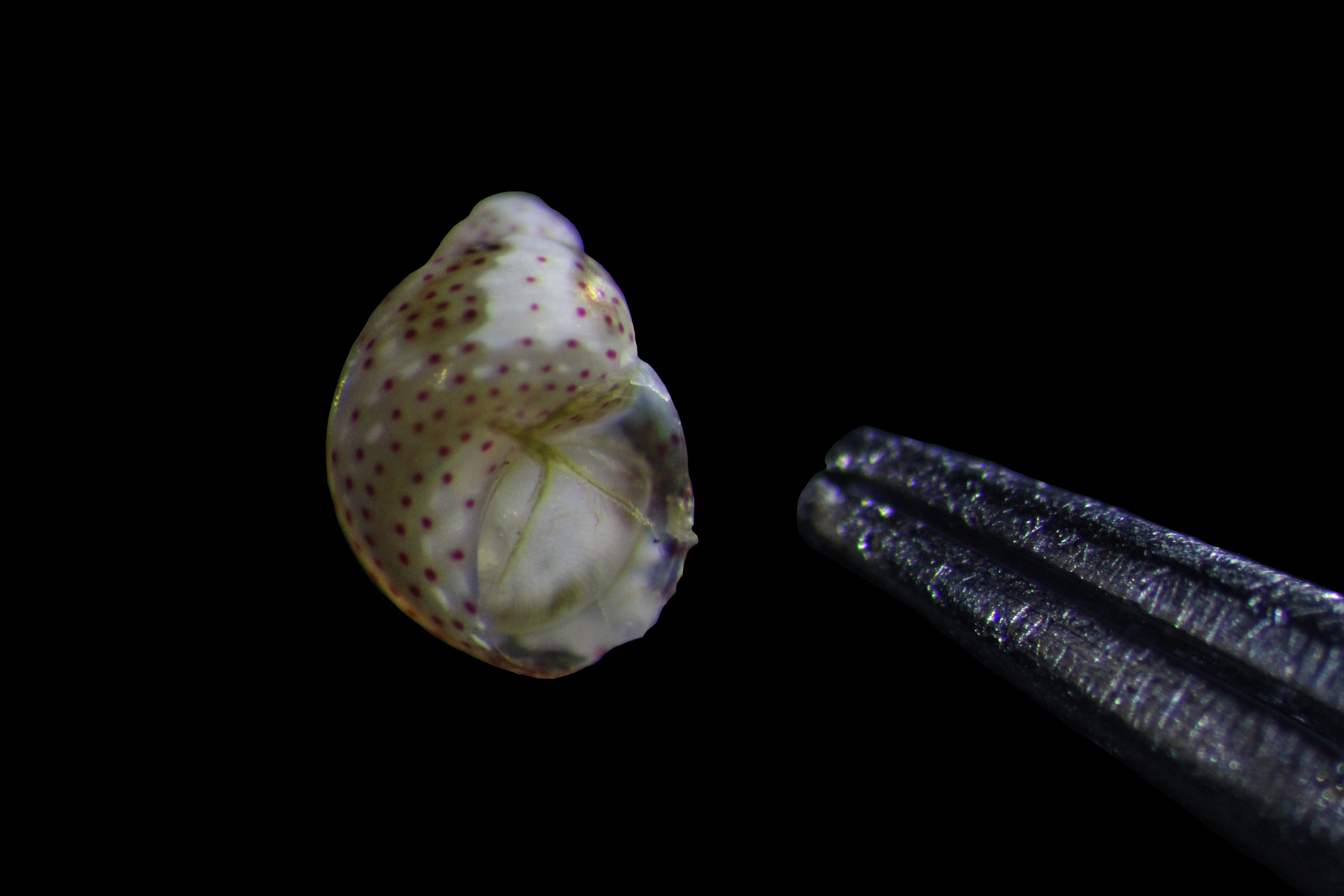
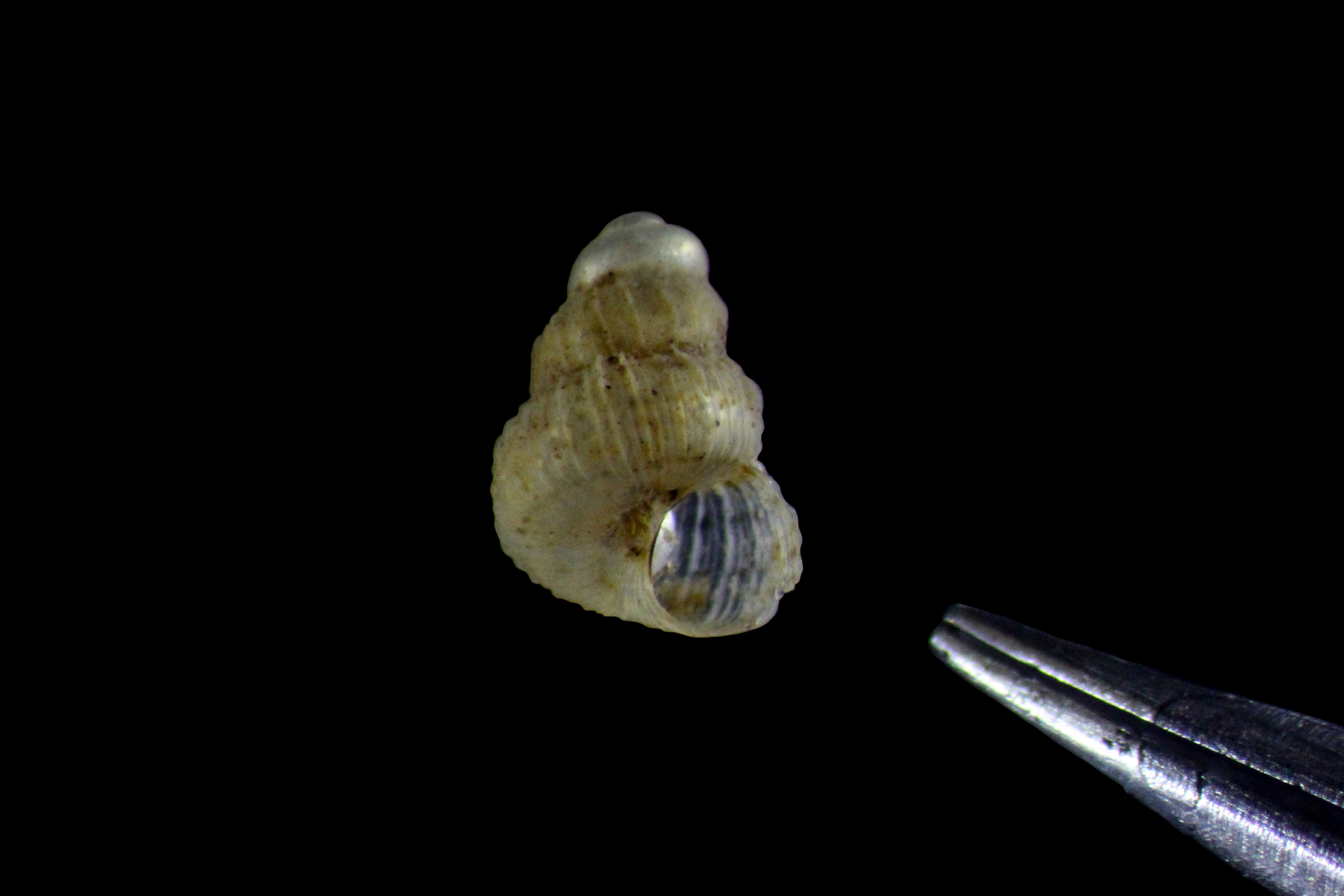
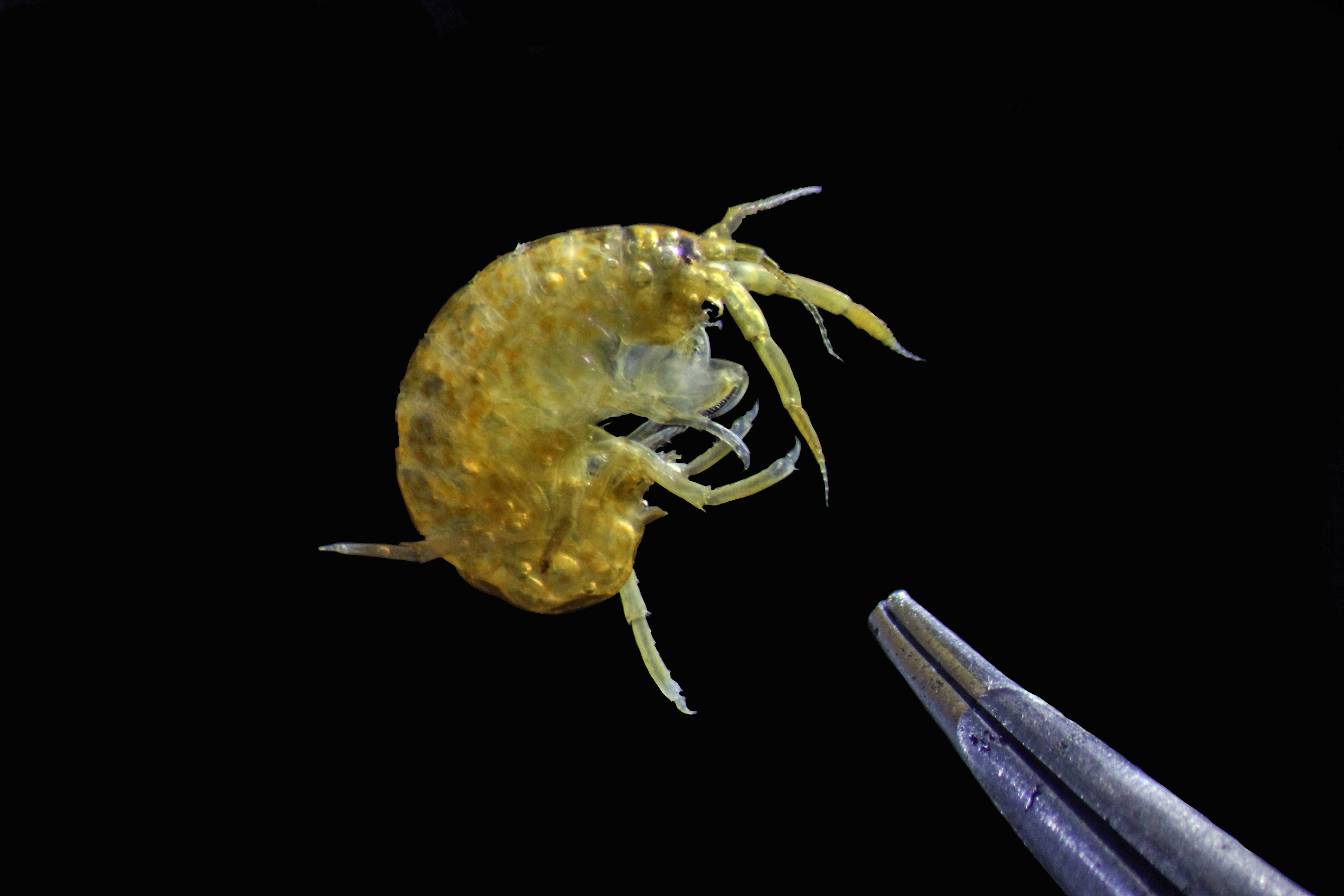
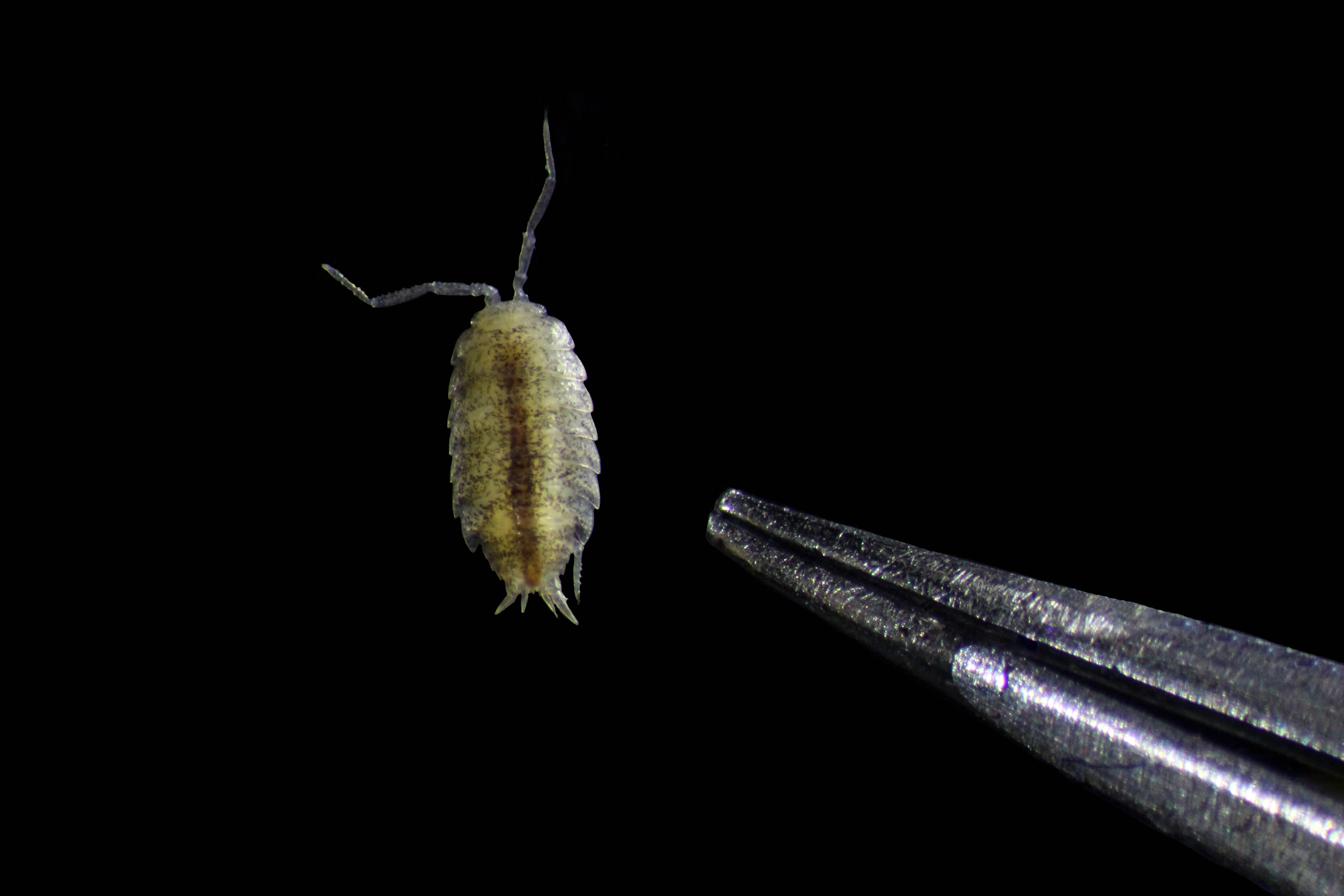
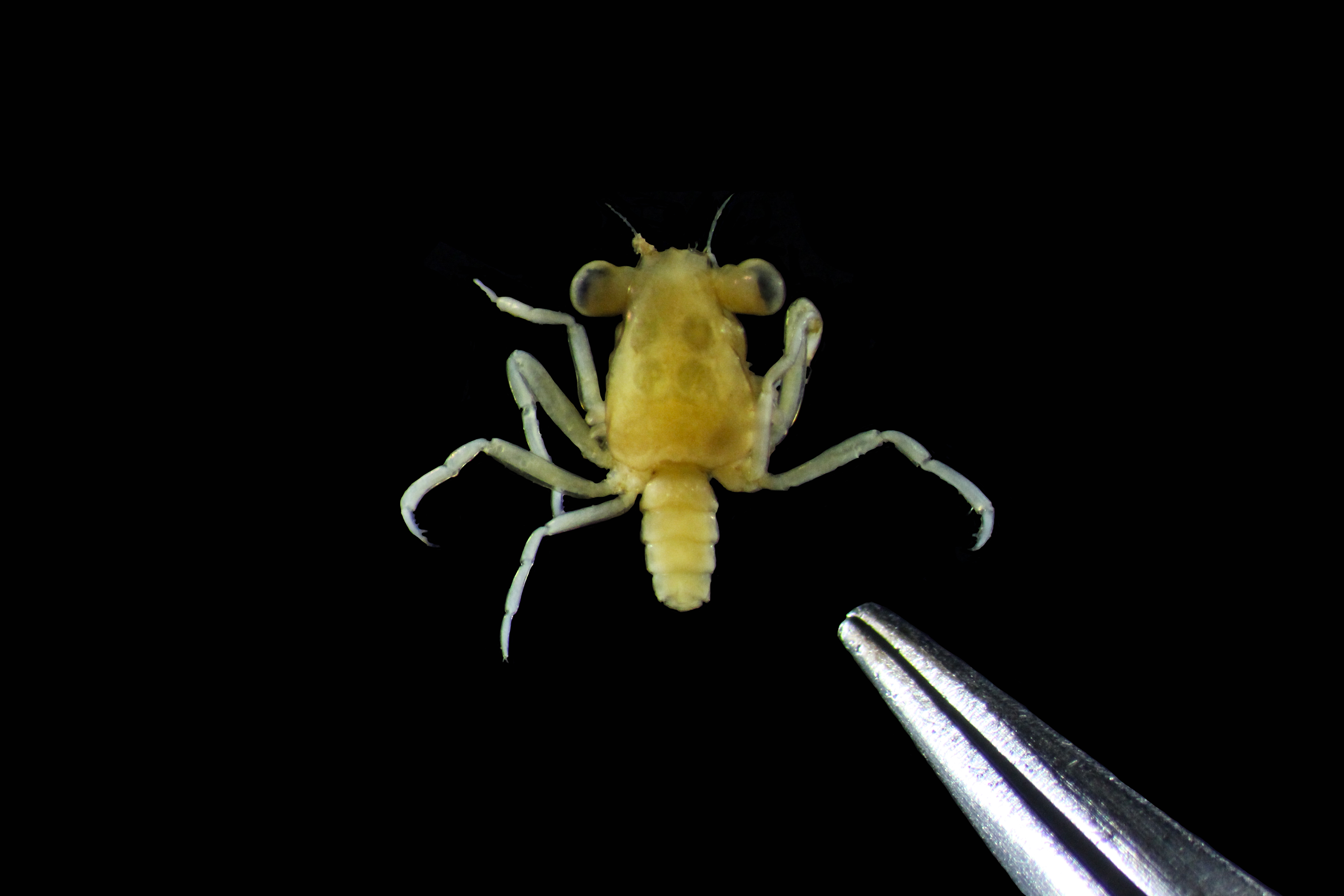
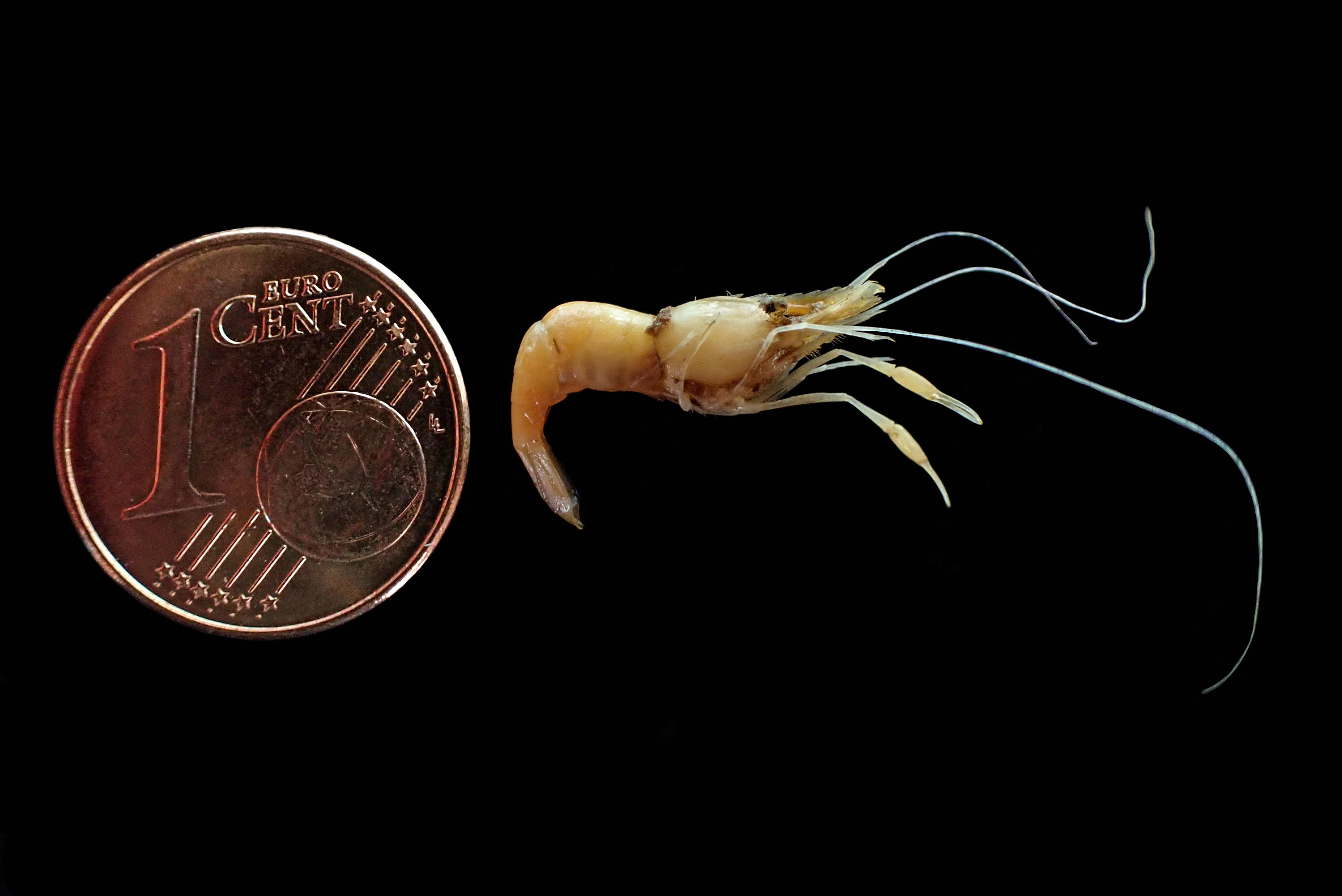
Biodiversity atlases for meiofauna and macrofauna associated with pelagic Sargassum in the Caribbean were produced for the first time, providing a baseline for future studies.
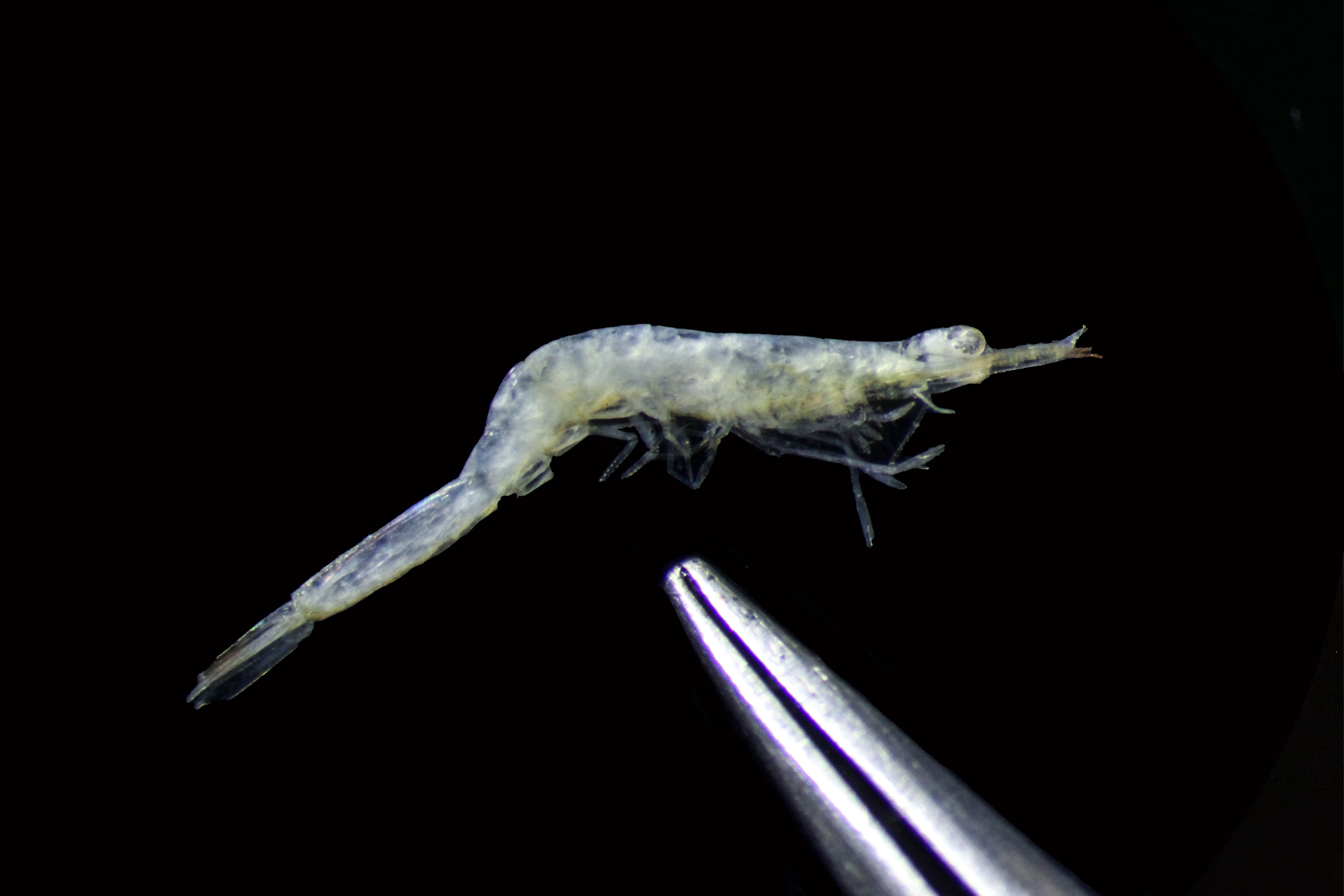
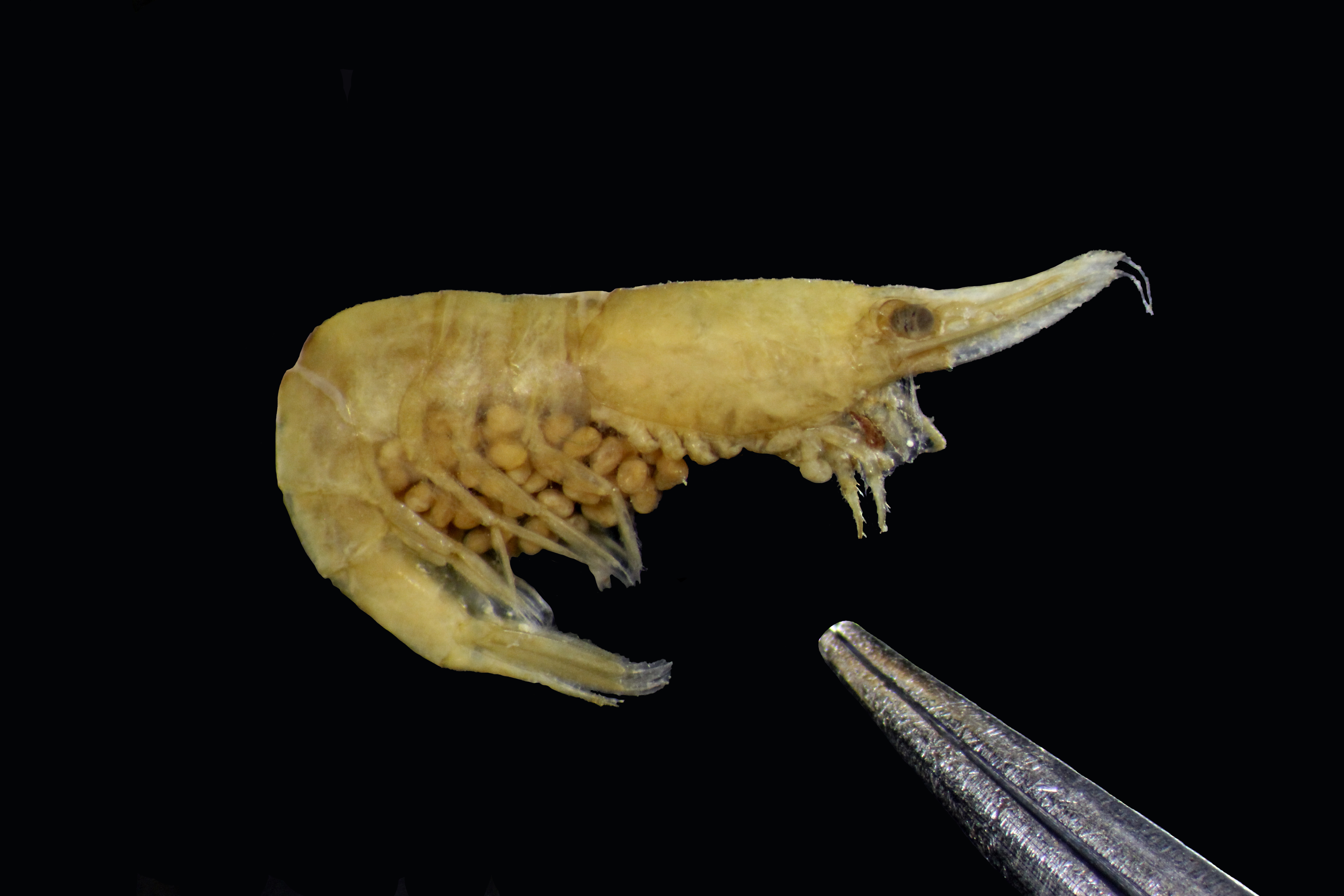
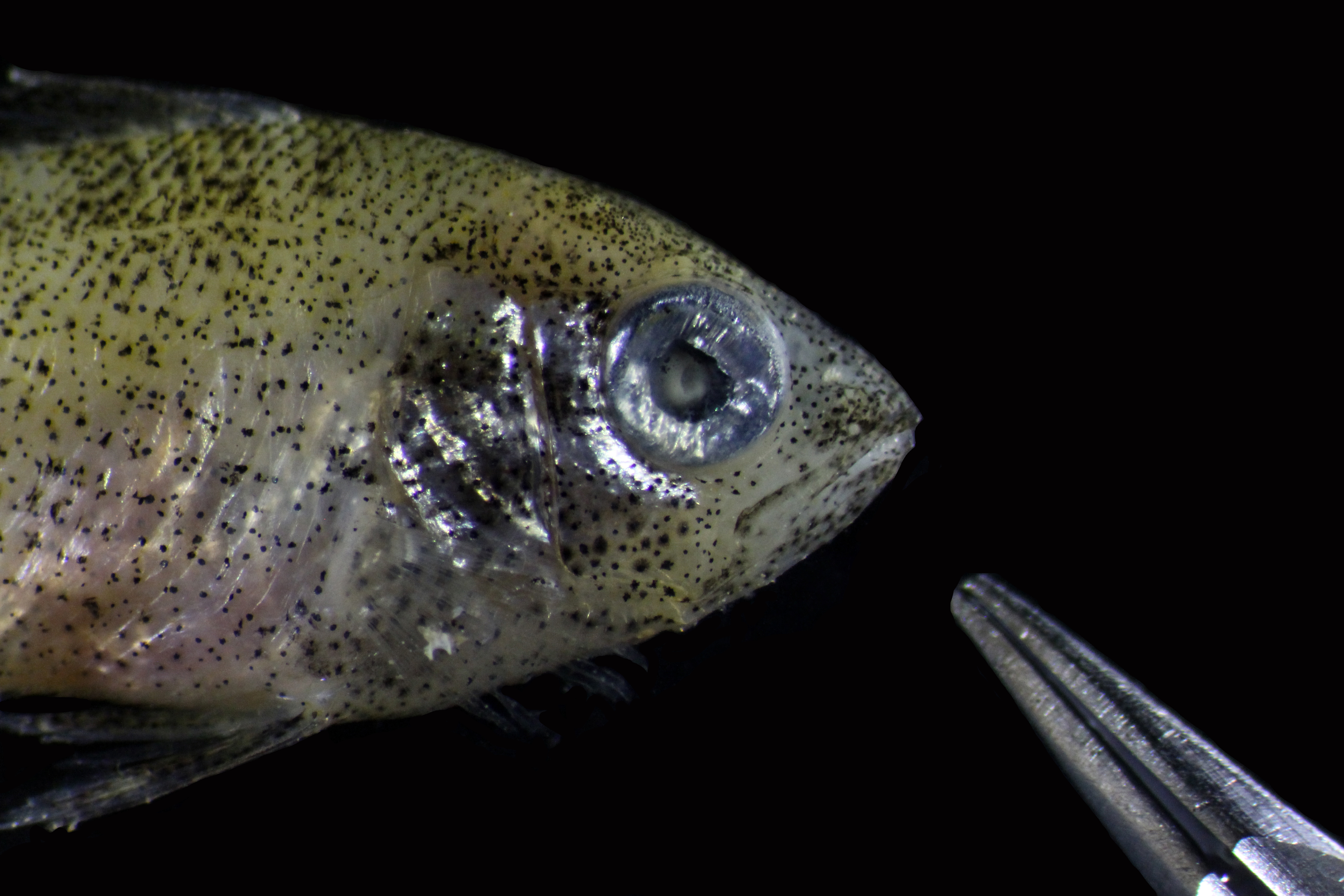
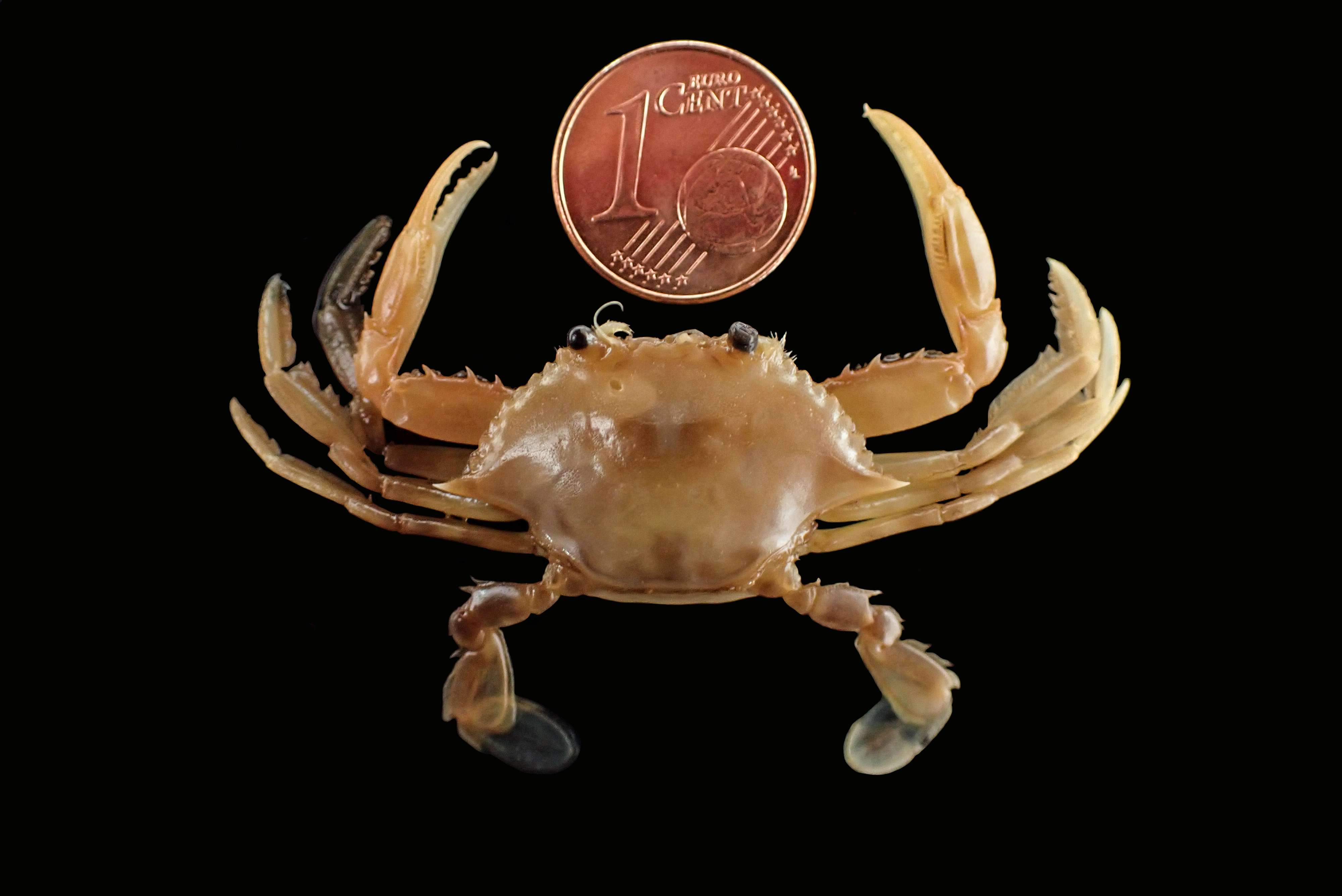
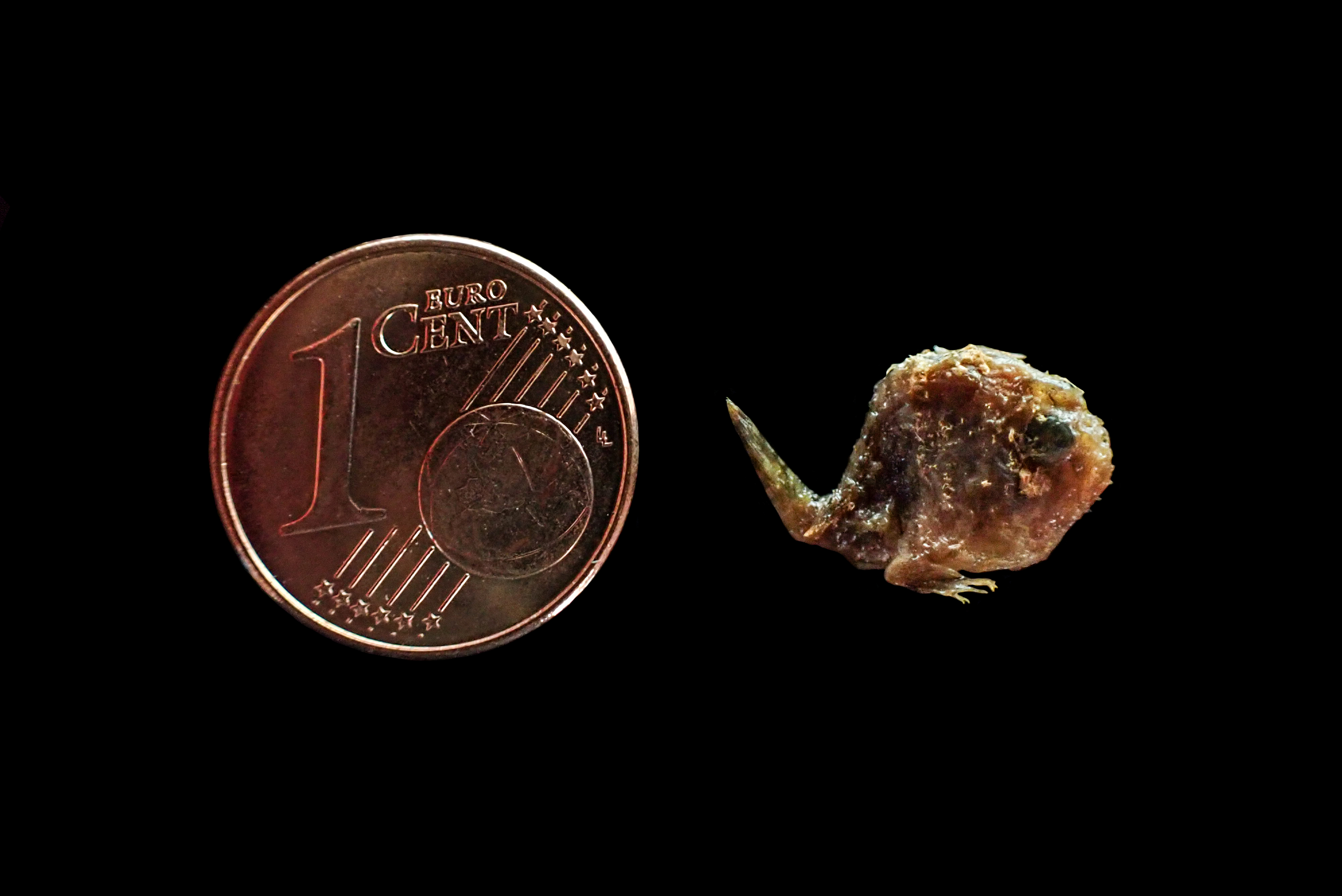
Below, from left to right : Undetermined decapod crustacean (1 and 2), Latreutes fucorum (3), undetermined osteichthyes (4), Cosmocampus elucens (5), undetermined annelid (6), Eulithidium affine (7), Litiopa melanostoma (8), undetermined mollusc (9), Sunamphitoe pelagica (10), undetermined isopod (11), Hermit crab at megalops stadium (12), Leander tenuicornis (13), Portunus sayi (14), Histrio histrio (15). The tip of a pair of tweezers was placed next to the photographed individuals as a size reference : its tip is 0.5mm, i.e. the minimum size at which species are considered as a part of the meiofauna.


 Hugo Bret
You must be logged in to post a comment.