RESEARCH ON CORAL THERMAL TOLERANCE : COUSIN ISLAND SPECIAL RESERVE (SEYCHELLES)
January-June 2024 // Personal work
_______________________________________________________________________________________________________________________________________
Coral reefs are among the five major earth ecosystems currently on track to cross a tipping point due to climate change and increasing water temperature (Lenton et al., 2023). While coral reef restoration programmes have the potential to counter recent and ongoing losses, their effectiveness hinges on accounting for potential changes in the termal tolerance of corals through the restoration process. Whether corals maintain their level of thermal tolerance throughout restoration stages is unknown. The study aims to fill this important knowledge gap through heat-stress assays targetting four reef-building coral species (i.e., Pocillopora verrucosa, Pocillopora grandis, Acropora muricata and Acropora irregularis) and using the Coral Bleaching Automated Stress System (CBASS) (Evenson et al., 2023). Experimentation were led in the Cousin Island Special Reserve, Seychelles, by Viktoria Sturm (M.Sc. student of the University of Bremen, Germany), under the supersvision of Christian R. Voolstra (Ph.D., Department of Biology, University of Konstanz, Germany) and Luca Saponari (Ph.D., Senior Science & Technical Field Officer, Nature Seychelles).

CORAL BLEACHING
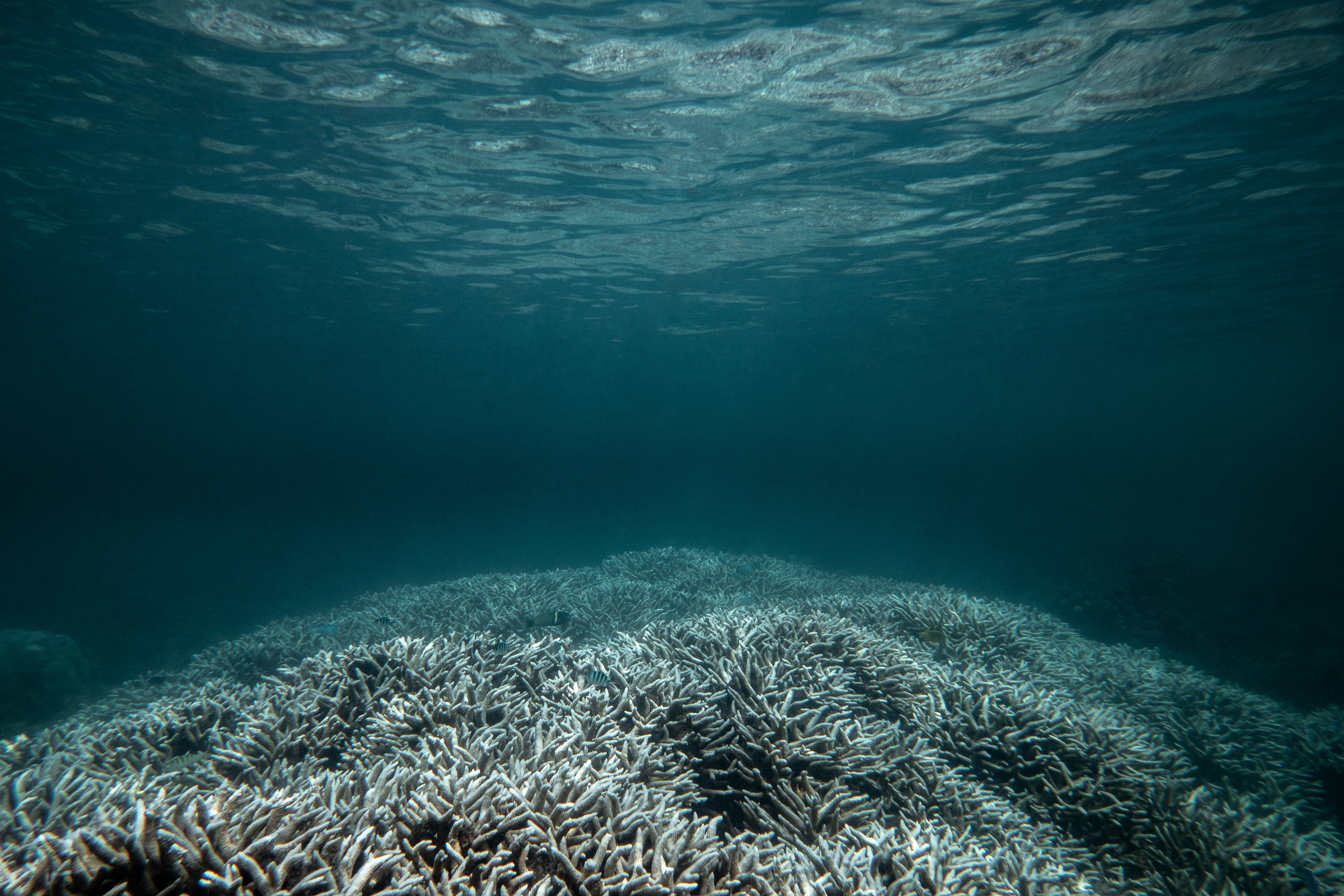
Coral bleaching is the expulsion, in response to environmentally-induced stresses, of the corals’ symbiotic algae living in their tissues (zooxanthellae), which is their primary source of food and the origin of their pigmentation, leaving them prone to disease and starvation. Thus, corals turn progressively white. At this point they are still alive and have been known to recover if water temperatures cool quickly enough, but if the algae loss is prolonged and the stresses are sufficiently severe or prolonged, they can eventually die.
Over the years, bleaching events are lasting longer and coming in rapid-fire succession. The current one is the fourth since 1998 and follows a devastating bleaching that stretched from 2014 to 2017 and left 9% of the world’s corals dead. Year after year, corals are disappearing. We – human-beings – have alredy warmed the planet about 1.2°C since pre-industrial times. Even if we manage to reach the most ambitious goal of the Paris Agreement on climate change (limiting global temperature rise to 1.5°C), 70% to 90% of the reef-building corals are expected to die. If the temperatures rise 2°C, 99% could perish.
The bleaching we are witnessing here in Seychelles has already been documented in both the Northern and Southern hemispheres of each major ocean basin, impacting at least 62 nations. Among the hardest hit areas is the Great Barrier Reef, where nearly 80% of coral outcrops had bleached.
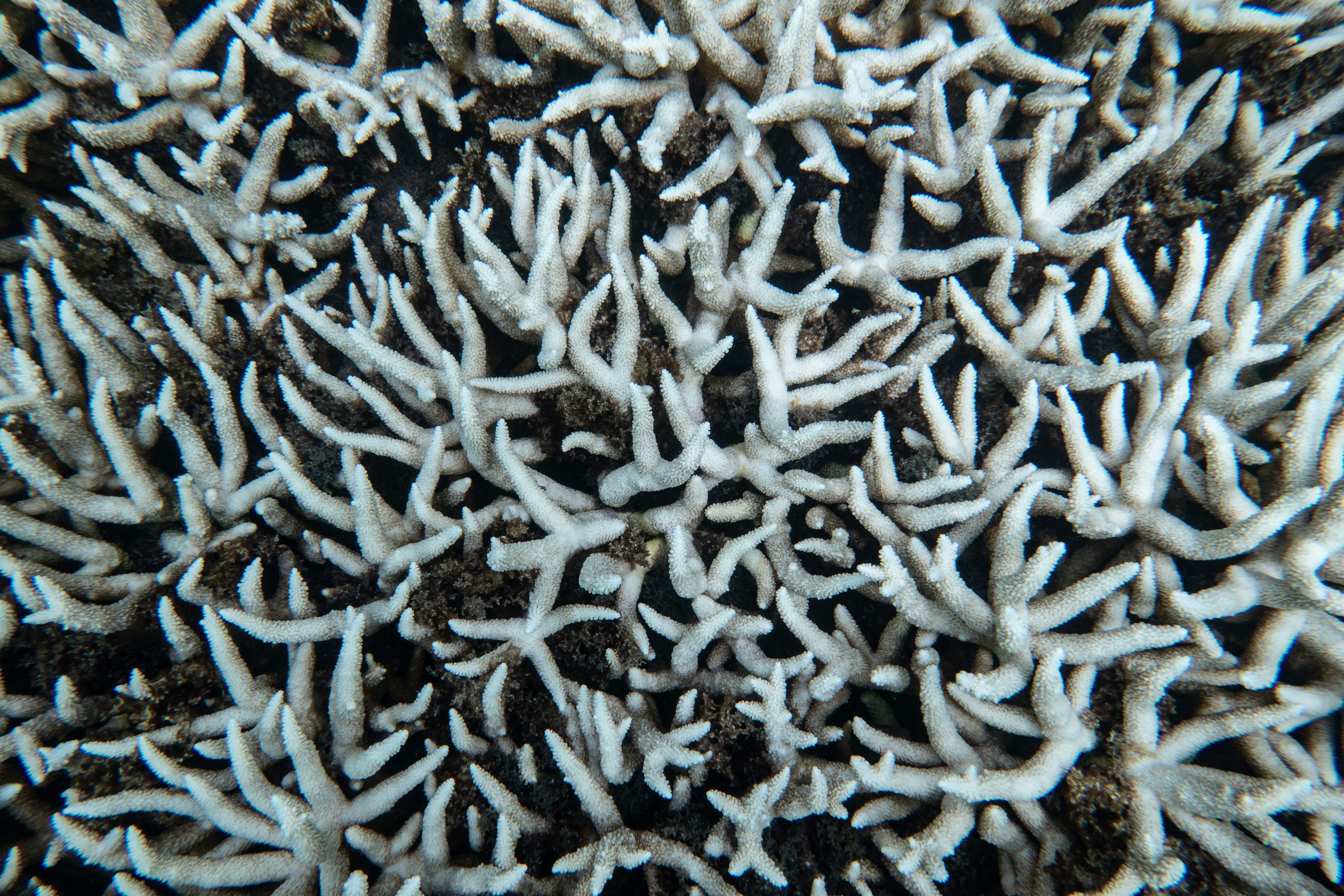
Above and below : Bleached Acropora muricata‘s reef in Anse Petite Cour (Praslin island, Seychelles) on April 1st, 2024. This was the very first sighting of mass bleaching around the island this year.
OVERVIEW OF THE EXPERIMENTAL WORKFLOW
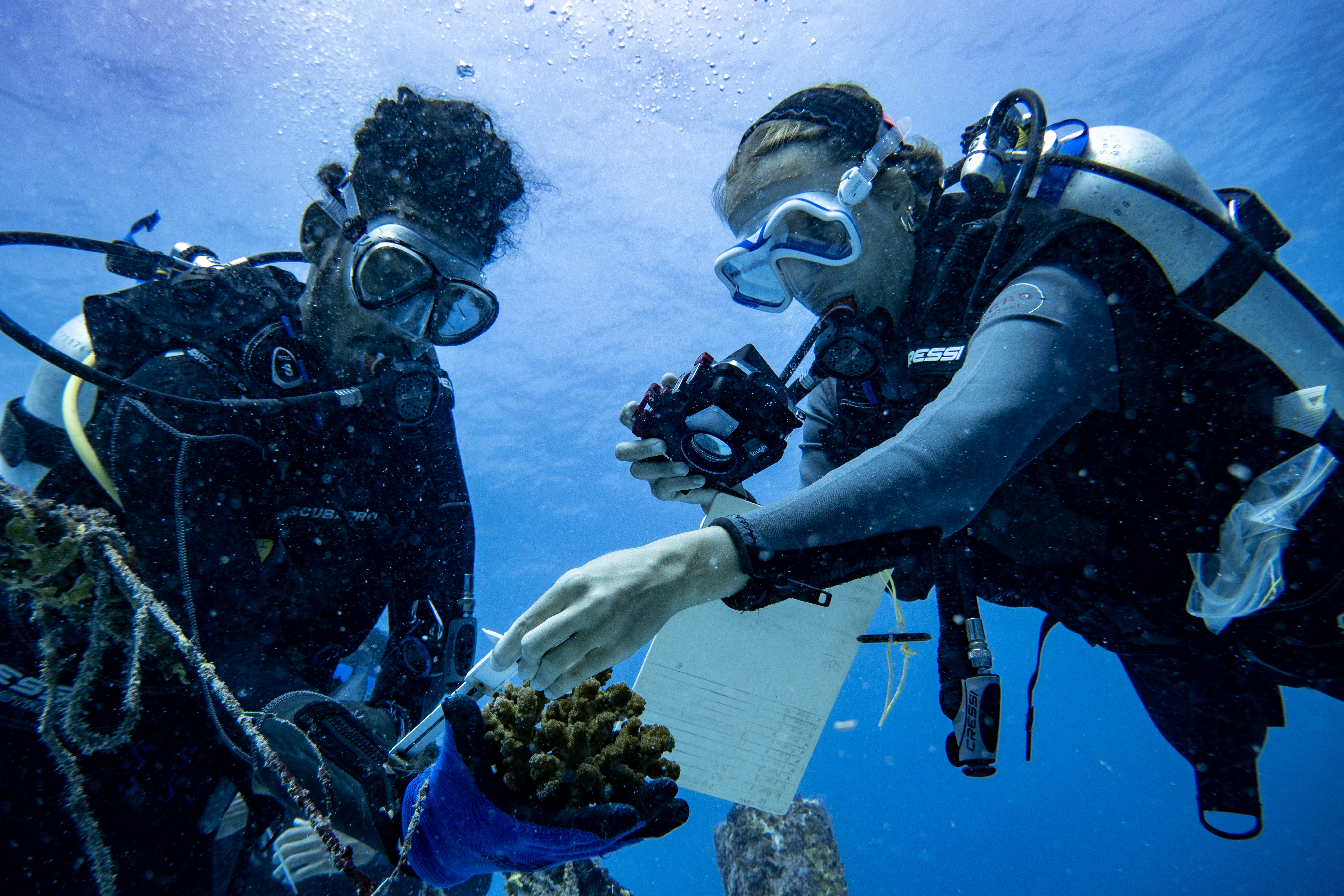
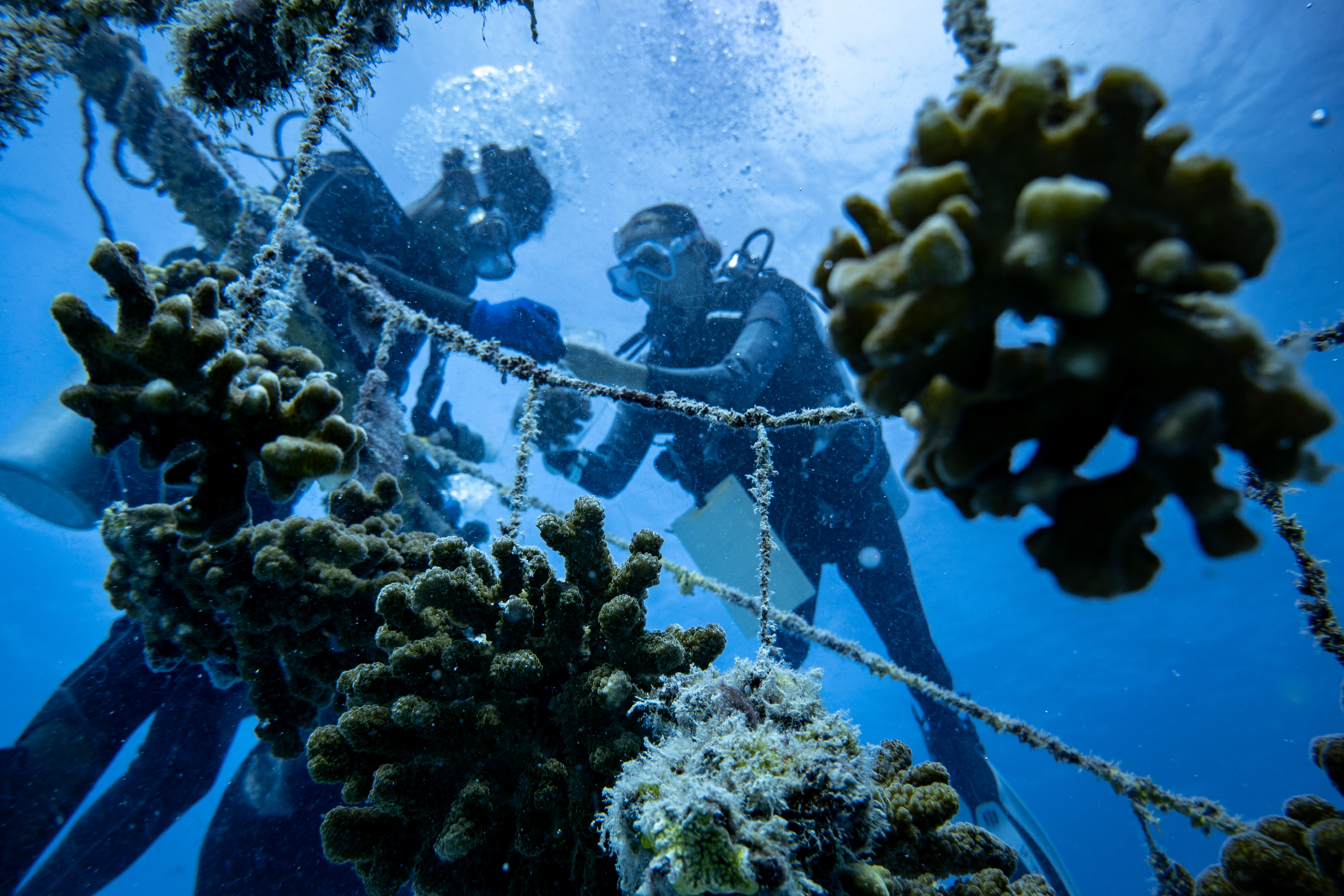
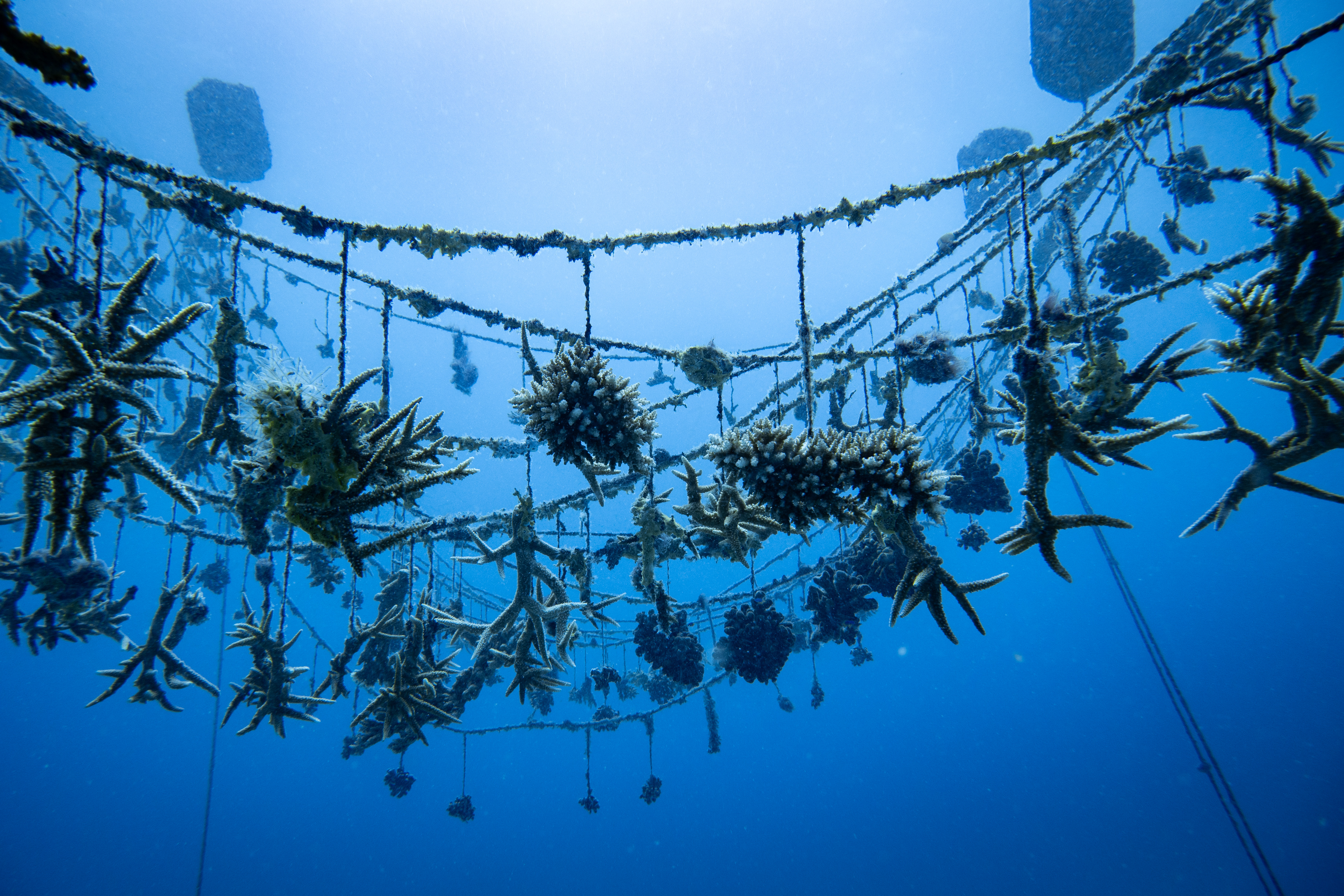
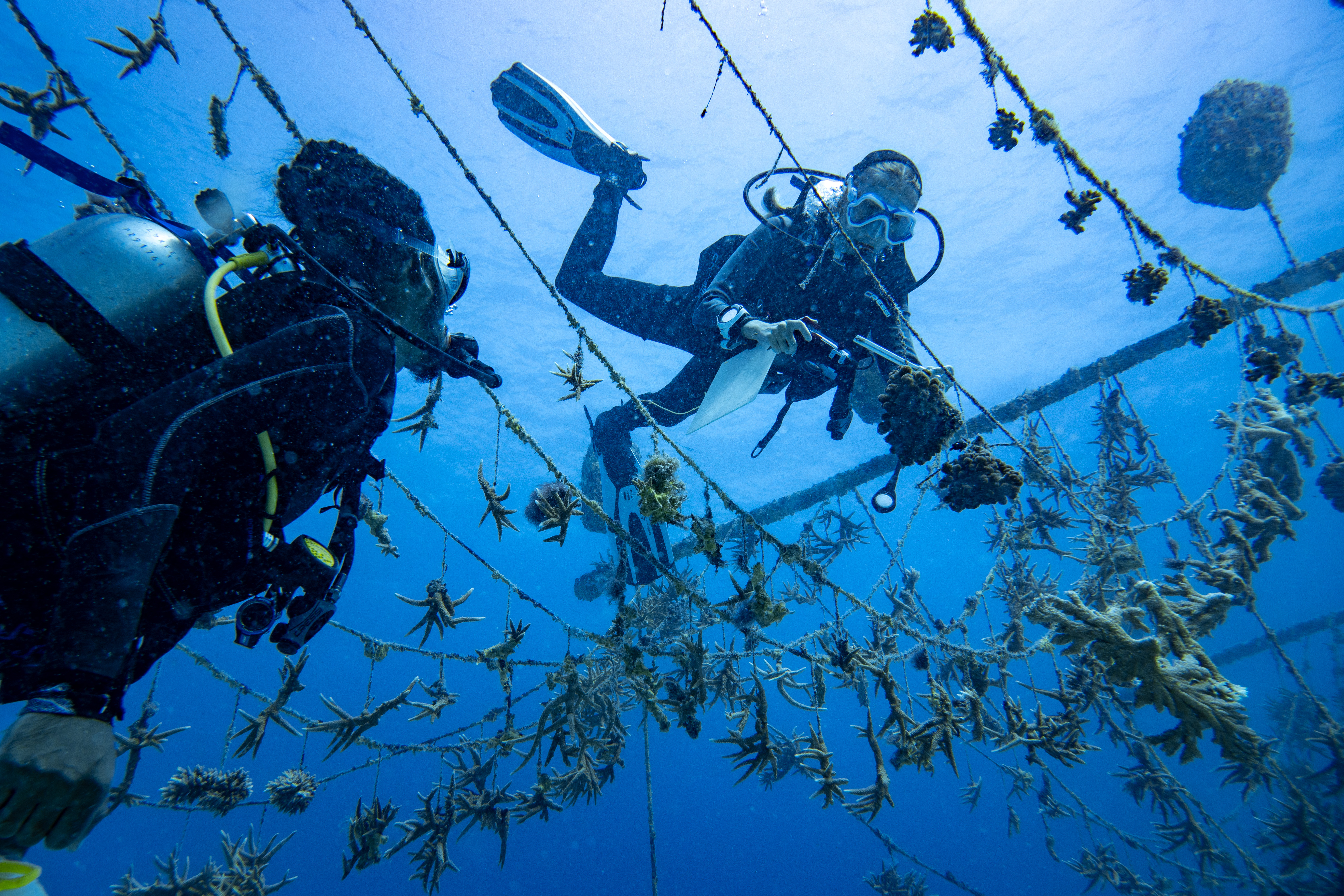
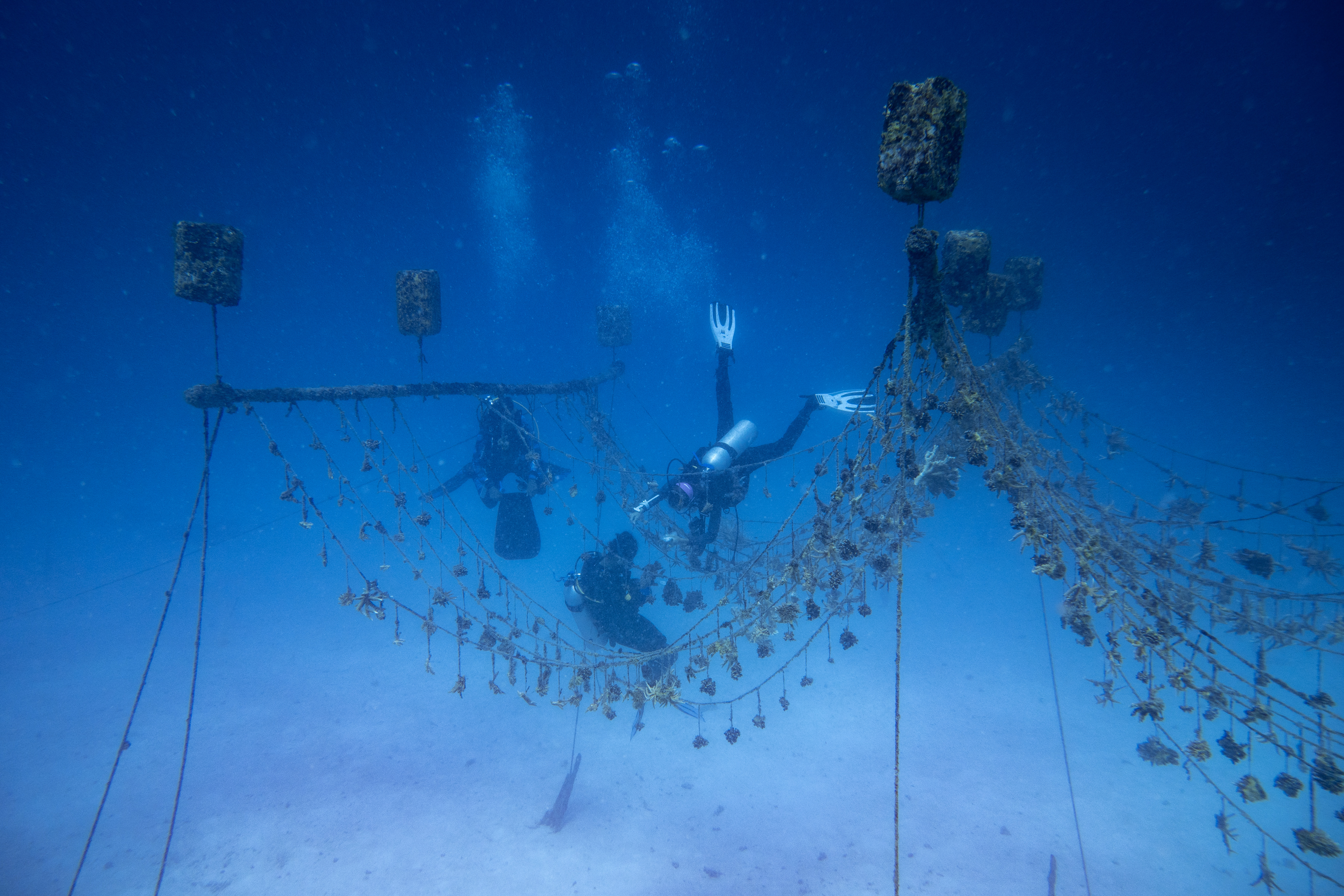
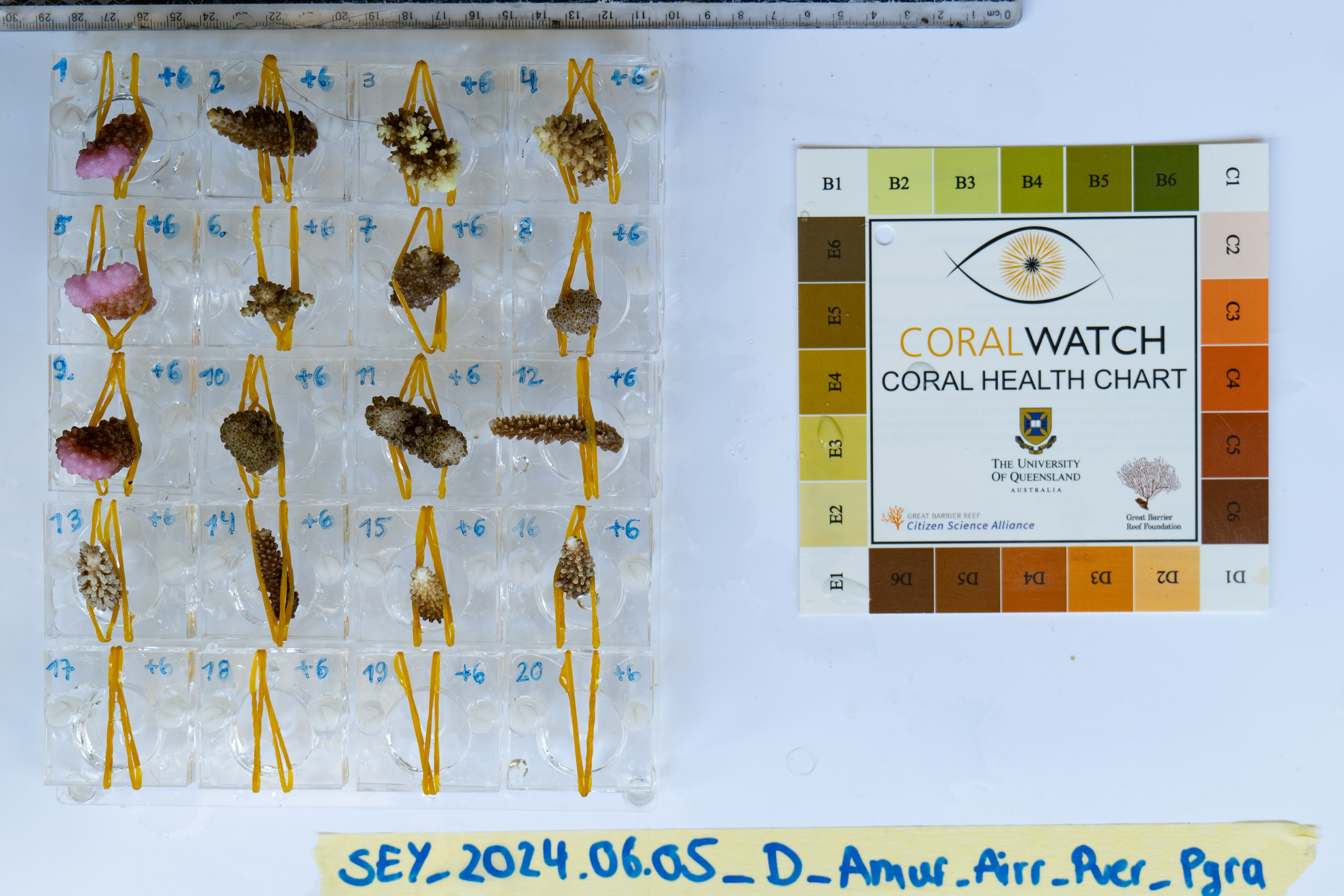
Donor coral colonies were sampled from the donor site and stocked in a coral nursery (December 2023) where they remained for two months for acclimation. Subsequently, four fragments were sampled from each colony to be assayed with the CBASS. These sampled colonies were transplanted onto the reef (February 2024). After annother two months of acclimation four fragments were again harvested from the outplanted corals to be assayed with the CBASS.
Below : Viktoria Sturm and the technical field assistant Kiran Bhageerutty measuring and sampling corals from nurseries around Cousin Island Special Reserve for CBASS experimentations.
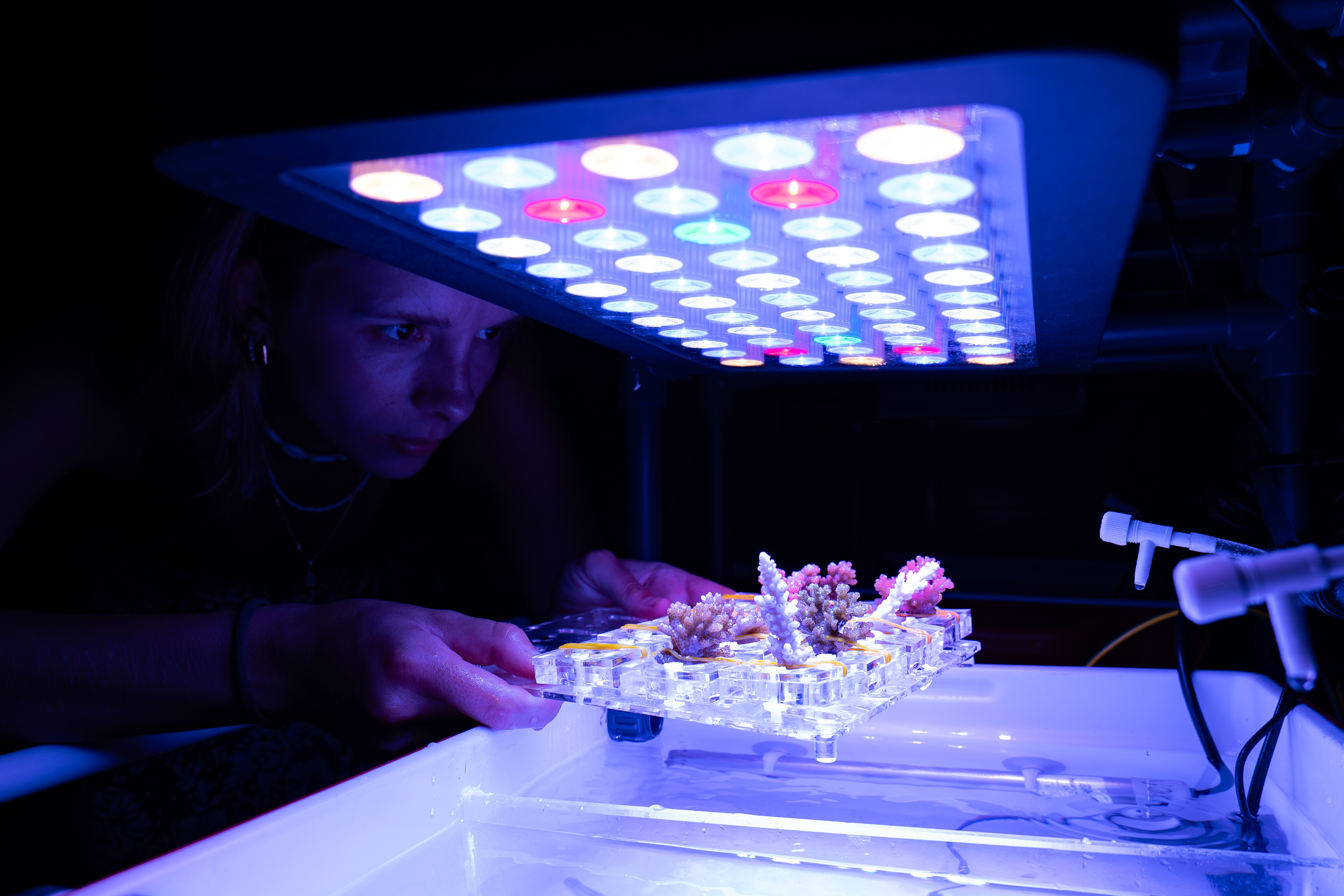
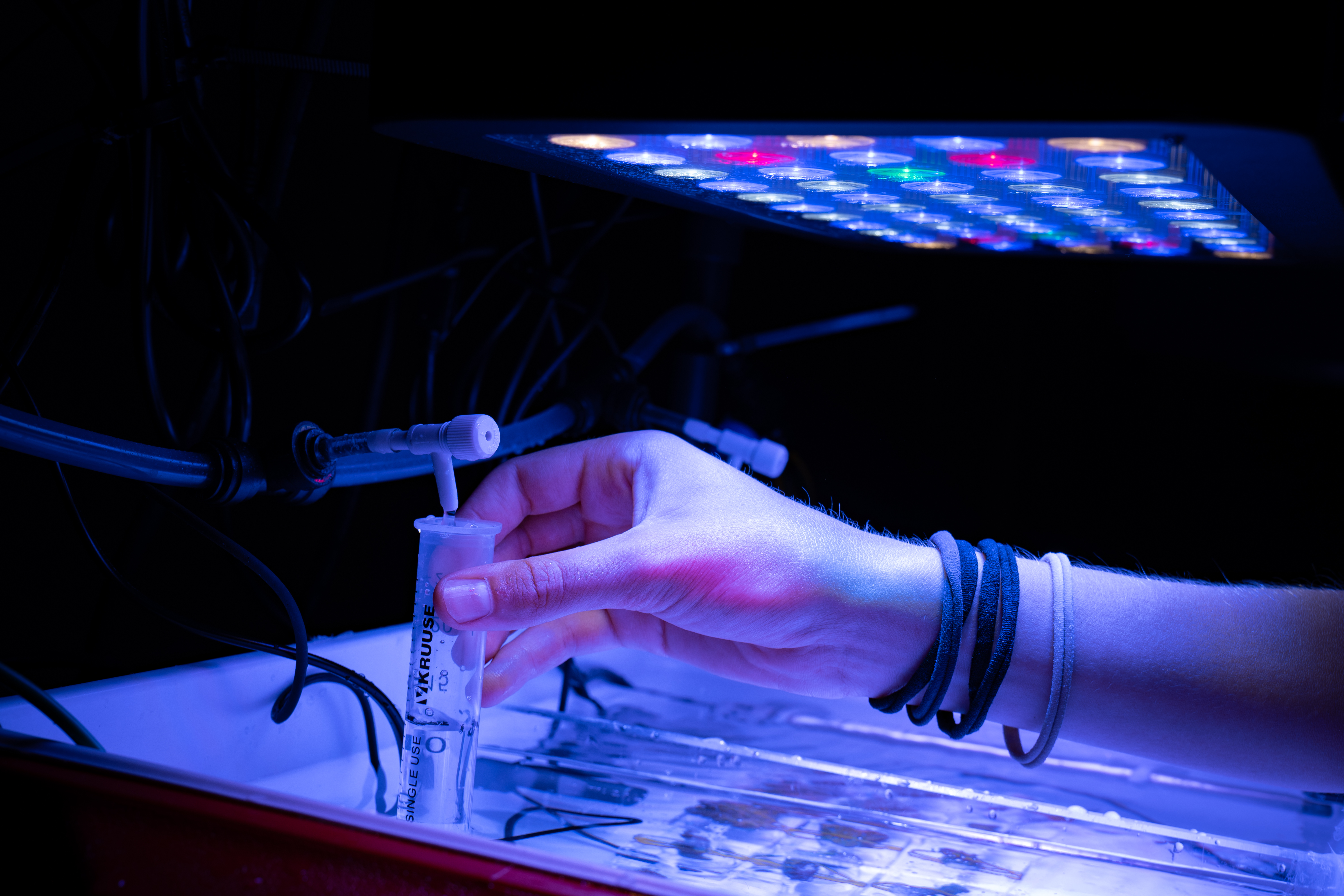
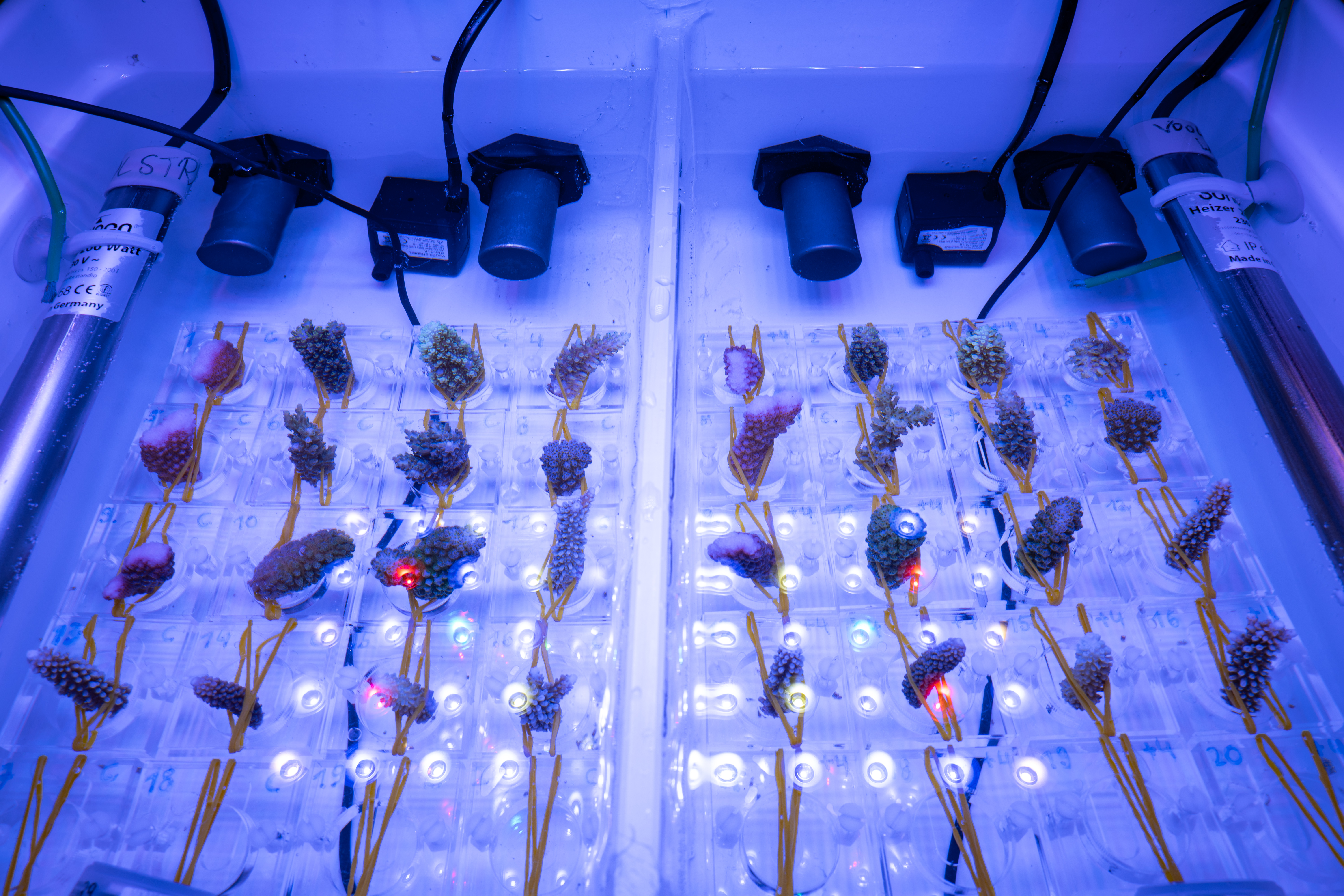
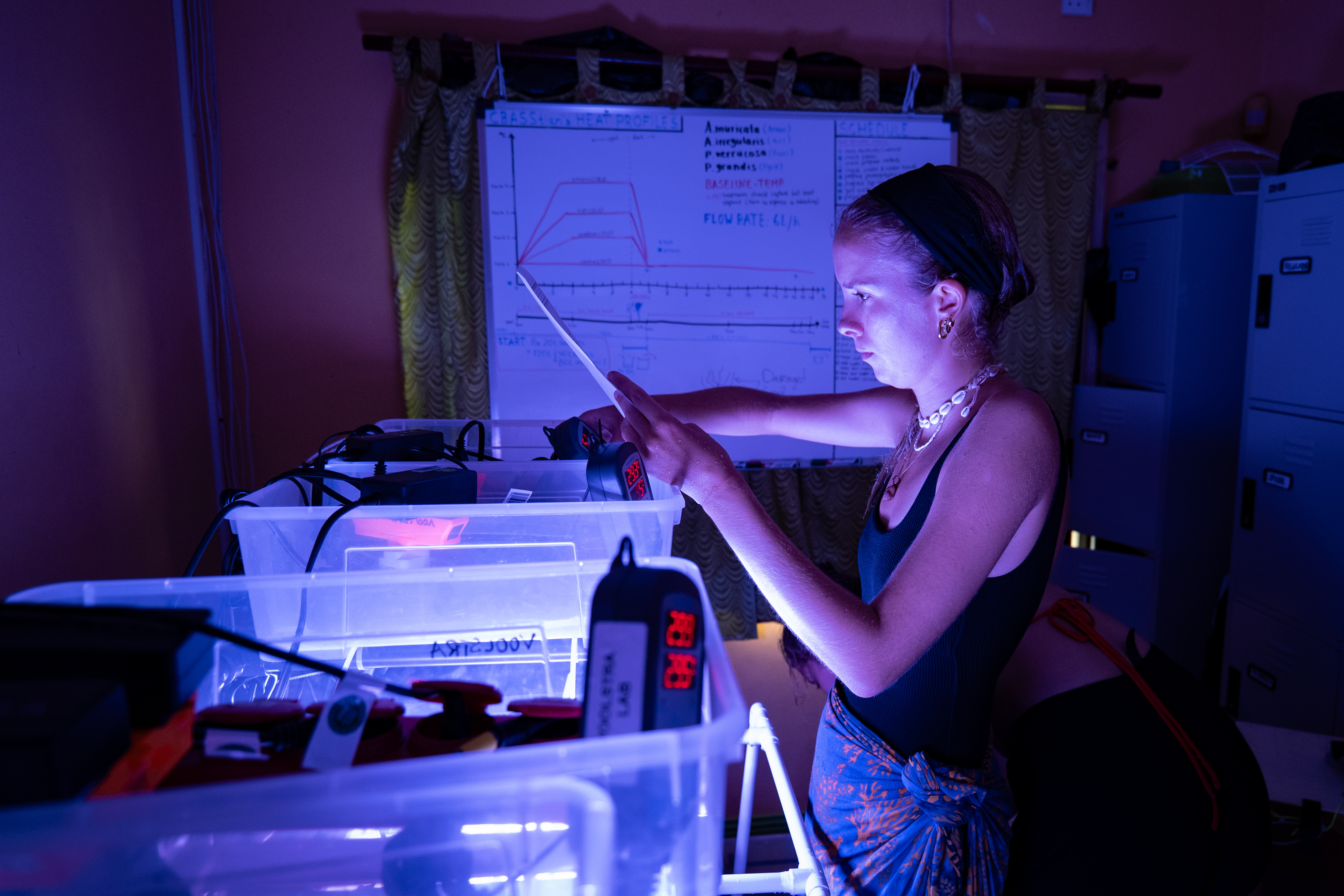
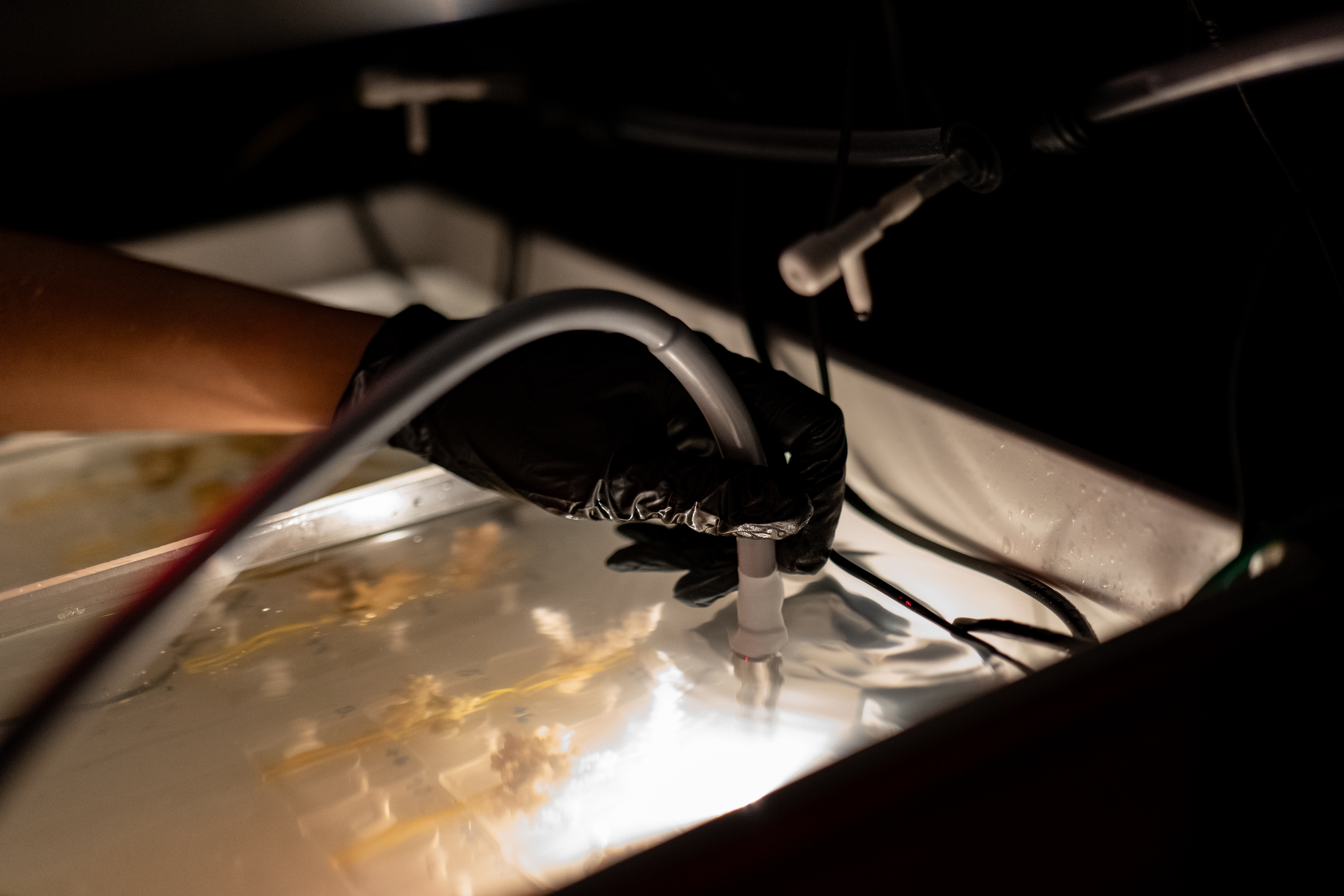
The four fragments from each colony were distributed into four experimental CBASS tanks with individual temperature treatments that capture the heat stress response: control (29.5°C, MMM from NOAA), medium (33.5°C), high (35.5°C) and extreme (38.5°C). Mesurements taken directly after the heat-hold period at 7h into the CBASS run represents the tolerance. Measurements taken after the recovery phase at 17h after the start of the CBASS unveils the resilience.
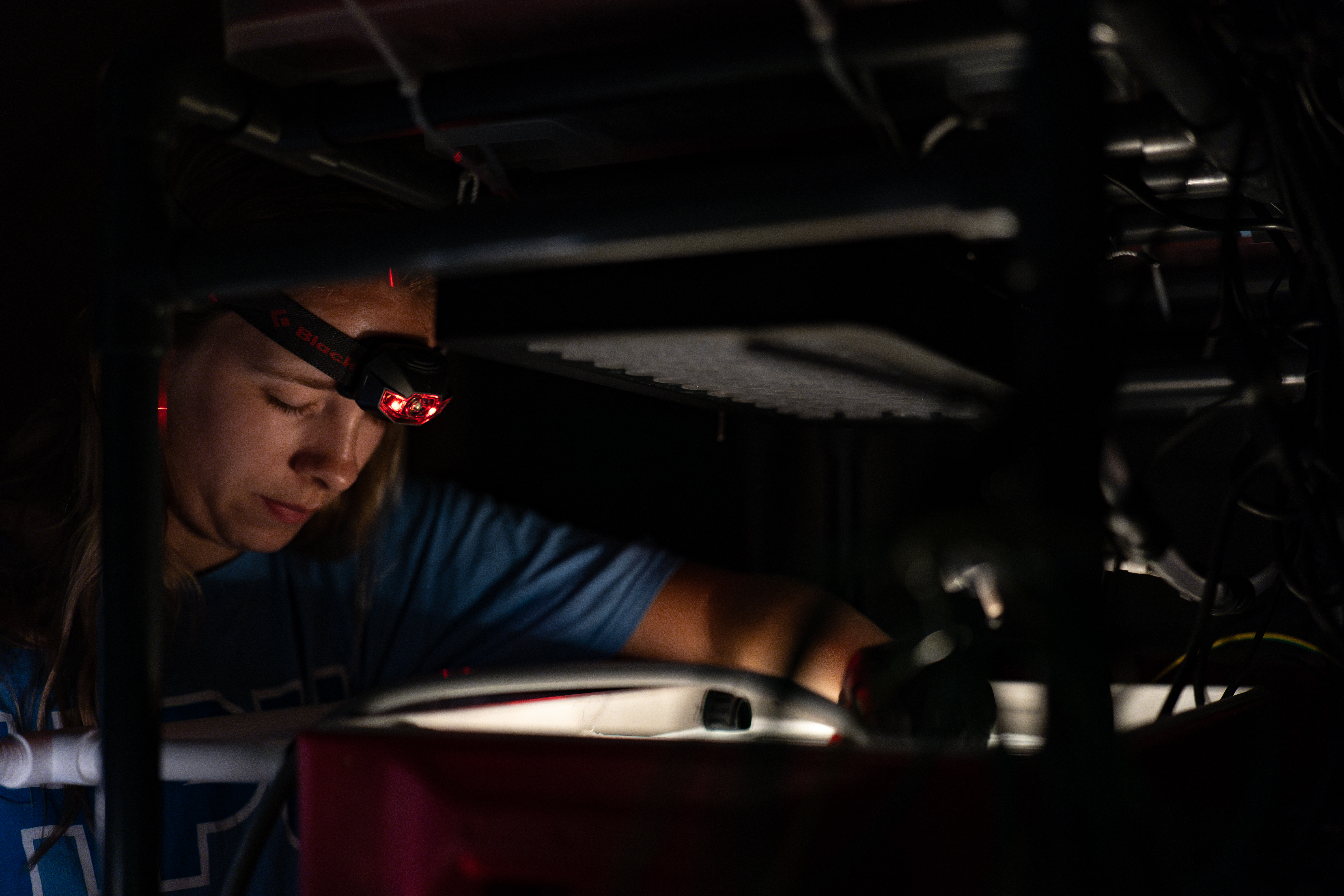
Below : M.Sc student Viktoria Sturm setting up the CBASS experimentation
 Hugo Bret
You must be logged in to post a comment.